
 DNA Synthesis
 Vector Selection
 Molecular Biology
 Oligo Synthesis
 RNA Synthesis
 Variant Libraries
 Genome KO Library
 Oligo Pools
 Virus Packaging
 Gene Editing
 Protein Expression
 Antibody Services
 Peptide Services
 DNA Data Storage
 Standard Oligo
 Standard Genome KO Libraries
 Standard Genome Editing Plasmid
 ProXpress
 Protein Products
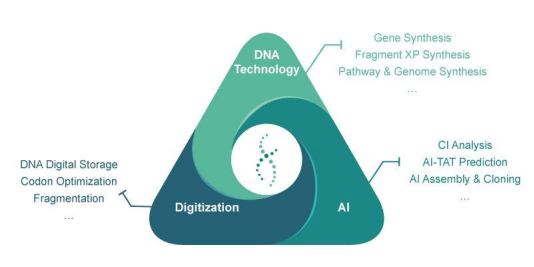
Market dynamics in the biotechnology sector are shifting rapidly as we witness an unprecedented surge in demand for custom genetic constructs. We at Synbio Technologies have observed that the reliance onwhole gene synthesis has moved beyond basic research into large-scale industrial applications and therapeutic development. This shift is driven by the need for longer, more complex sequences that can be integrated into diverse biological systems. By focusing on whole gene synthesis, scientists can bypass the limitations of traditional molecular cloning and move directly to functional testing. Our internal data indicates that the primary focus for researchers this year involves maximizing expression levels and ensuring the structural integrity of every synthetic strand. As we look at the landscape of 2026, it is clear that the integration of computational design and high-accuracy assembly is the core driver of progress.
Advancements in Codon Optimization Strategies
One of the most significant shifts we are seeing involves the sophisticated use of codon optimization to enhance protein expression in heterologous hosts. While early methods focused simply on using the most frequent codons, modern codon optimization now accounts for mRNA secondary structure, GC content, and even ribosomal pause sites. This ensures that the genetic instructions provided through whole gene synthesis result in the maximum possible yield of functional protein. We utilize proprietary algorithms to perform codon optimization that balances these competing factors, reducing the risk of translational errors. By refining these digital designs, we can overcome the expression bottlenecks that previously hindered the development of novel enzymes and therapeutic proteins. This trend emphasizes that the value of a synthetic gene is determined not just by its sequence, but by how well that sequence is tuned for its specific cellular environment.
The Growing Necessity for High-fidelity DNA
As the scale of synthetic biology projects increases, the tolerance for sequence errors has effectively vanished. The industry is moving toward a standard wherehigh-fidelity DNA is the baseline expectation rather than a premium feature. We recognize that even a single nucleotide polymorphism can completely abolish the function of a synthetic pathway or compromise the safety of a vaccine candidate. Therefore, we have implemented rigorous enzymatic error-correction steps during the whole gene synthesis process to ensure that every delivered clone meets the intended sequence with high fidelity. Producing high-fidelity DNA requires a combination of high-grade starting materials and precise thermal cycling conditions. This focus on accuracy is particularly critical for projects involving metabolic engineering, where multiple genes must work in concert. Without high-fidelity DNA, the cumulative error rate in large pathways would make functional screening an impossible task for most laboratories.
Automation and Integration of Whole Gene Synthesis
Efficiency in the manufacturing pipeline is another major trend defining the current market. We are seeing a move toward fully integrated platforms that combine design, whole gene synthesis, and downstream validation into a single streamlined workflow. This reduction in manual intervention not only lowers the cost but also significantly improves the turnaround time for complex orders. Furthermore, the ability to couplecodon optimization software directly with robotic assembly lines allows for a faster transition from a digital sequence to a physical plasmid. We also see that the demand for high-fidelity DNA is driving the adoption of more sensitive screening technologies, such as mass spectrometry and next-generation sequencing, within the production line. This automation ensures that high-volume orders maintain the same quality standards as individual custom genes.
Expansion of Personalized Genomic Medicine
Genetic medicine has reached a point where custom-designed sequences are being tailored to individual patient profiles. This trend relies heavily on the speed and precision of whole gene synthesis to create patient-specific vectors or cell therapies in record time. Because each patient requires a unique sequence, the manufacturing process must be flexible enough to handle thousands of unique, small-scale runs simultaneously. We have adapted our workflows to ensure that high-fidelity DNA can be produced for these clinical applications without the typical delays associated with traditional manufacturing. Advanced codon optimization is also applied here to ensure that the therapeutic proteins are expressed at safe and effective levels within human cells. As personalized medicine grows, the synergy between clinical diagnostics and rapid whole gene synthesis becomes the backbone of modern healthcare delivery.
Sustainability and Green Chemistry in Production
Environmental impact has become a focal point for the manufacturing sector in 2026. We are witnessing a transition toward more sustainable chemical processes in the production of high-fidelity DNA to reduce the use of hazardous solvents. This "green" shift involves optimizing reagent recycling and utilizing enzymatic assembly methods that operate in aqueous environments. During the whole gene synthesis cycle, minimizing waste while maintaining high coupling efficiency is now a primary engineering goal. Our team is actively exploring these eco-friendly alternatives to ensure that our codon optimization and synthesis services align with global sustainability targets. By reducing the carbon footprint of genetic manufacturing, we ensure that the progress of biotechnology does not come at the expense of environmental health.
The evolution of the genetic engineering market demonstrates a clear preference for reliability, speed, and computational intelligence. AtSynbio Technologies, we are dedicated to staying at the forefront of these developments by continuously upgrading our production capabilities and design software. By mastering the intricacies of codon optimization, we help our partners achieve higher expression levels than were previously possible. Our commitment to providing high-fidelity DNA remains the cornerstone of our service, ensuring that every research project starts with a perfect genetic foundation. As whole gene synthesis becomes an even more integrated part of the global bio-economy, we will continue to provide the technical expertise and high-quality materials necessary for scientific breakthroughs. The trends of 2026 suggest a future where the only limit to biological design is the imagination of the researcher, supported by the robust manufacturing infrastructure we have built.