
 DNA Synthesis
 Vector Selection
 Molecular Biology
 Oligo Synthesis
 RNA Synthesis
 Variant Libraries
 Genome KO Library
 Oligo Pools
 Virus Packaging
 Gene Editing
 Protein Expression
 Antibody Services
 Peptide Services
 DNA Data Storage
 Standard Oligo
 Standard Genome KO Libraries
 Standard Genome Editing Plasmid
 ProXpress
 Protein Products
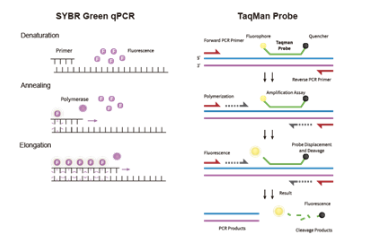
In the realm of molecular biology, understanding the nuances of gene expression is critical. One of the most powerful techniques for gene quantification is Real-time Quantitative PCR (qPCR), a method that incorporates fluorescence technology to provide real-time data on DNA amplification. A key measurement obtained during this process is the Cycle Threshold (Ct) value, which plays a pivotal role in interpreting results. At Synbio Technologies, our work revolves around optimizing the performance of qPCR probes, which directly influence these Ct measurements.
The Relationship Between Ct Values and DNA Quantity
The Ct value represents the point at which the fluorescence signal exceeds the background noise, indicating that the target DNA has reached a detectable level. A lower Ct value correlates with a higher initial quantity of target DNA, while a higher Ct value suggests lower quantities in the sample. Thus, accurate qPCR probe selection is paramount; probes must specifically bind to the target sequence for effective amplification. Understanding this relationship enables us to quantify gene expression levels reliably, facilitating critical analyses in various applications, from clinical diagnostics to environmental monitoring.
Factors Influencing Fluorescence Signal Strength
A high fluorescence signal in qPCR assays indicates successful amplification of the target DNA. This amplification is influenced by multiple factors, including the efficiency of the qPCR probe, the quality of reagents, and the thermal cycling conditions used during the experiment. For optimal outcomes, it’s crucial to select probes that have high specificity and affinity to the target sequence. Additionally, choosing the correct fluorescent dye can improve signal strength and minimize background interactions. By carefully considering these parameters, researchers can achieve robust signals that directly reflect the initial amount of target DNA.
Applications of Low Ct Values in Pathogen Detection
Low Ct values are particularly significant in the field of pathogen detection. In clinical diagnostics, they may indicate a high viral load in patient samples, which can directly impact treatment decisions. Effective qPCR probe selection enhances the sensitivity of tests, allowing for the accurate quantification of pathogens such as viruses and bacteria. Moreover, the rapid detection afforded by Real-time Quantitative PCR leads to timely interventions, which can be crucial in managing infectious diseases. The implications for food safety and environmental health are equally vital, highlighting the importance of precision in assay development.
Conclusion
In summary, grasping the concept of low Ct values and high fluorescence signals is integral to harnessing the full potential of Real-time Quantitative PCR. The performance of qPCR probes requires meticulous optimization to ensure reliability and accuracy in results. At Synbio Technologies, we are dedicated to advancing these methodologies, making significant strides in genetic analysis, pathogen detection, and beyond. The ultimate goal is to offer tools that empower researchers and practitioners to make informed decisions based on robust data, paving the way for strides in science and medicine. Understanding the mechanisms behind Ct values is just the starting point; applying this knowledge effectively will shape the future of molecular diagnostics.