
 DNA Synthesis
 Vector Selection
 Molecular Biology
 Oligo Synthesis
 RNA Synthesis
 Variant Libraries
 Genome KO Library
 Oligo Pools
 Virus Packaging
 Gene Editing
 Protein Expression
 Antibody Services
 Peptide Services
 DNA Data Storage
 Standard Oligo
 Standard Genome KO Libraries
 Standard Genome Editing Plasmid
 ProXpress
 Protein Products
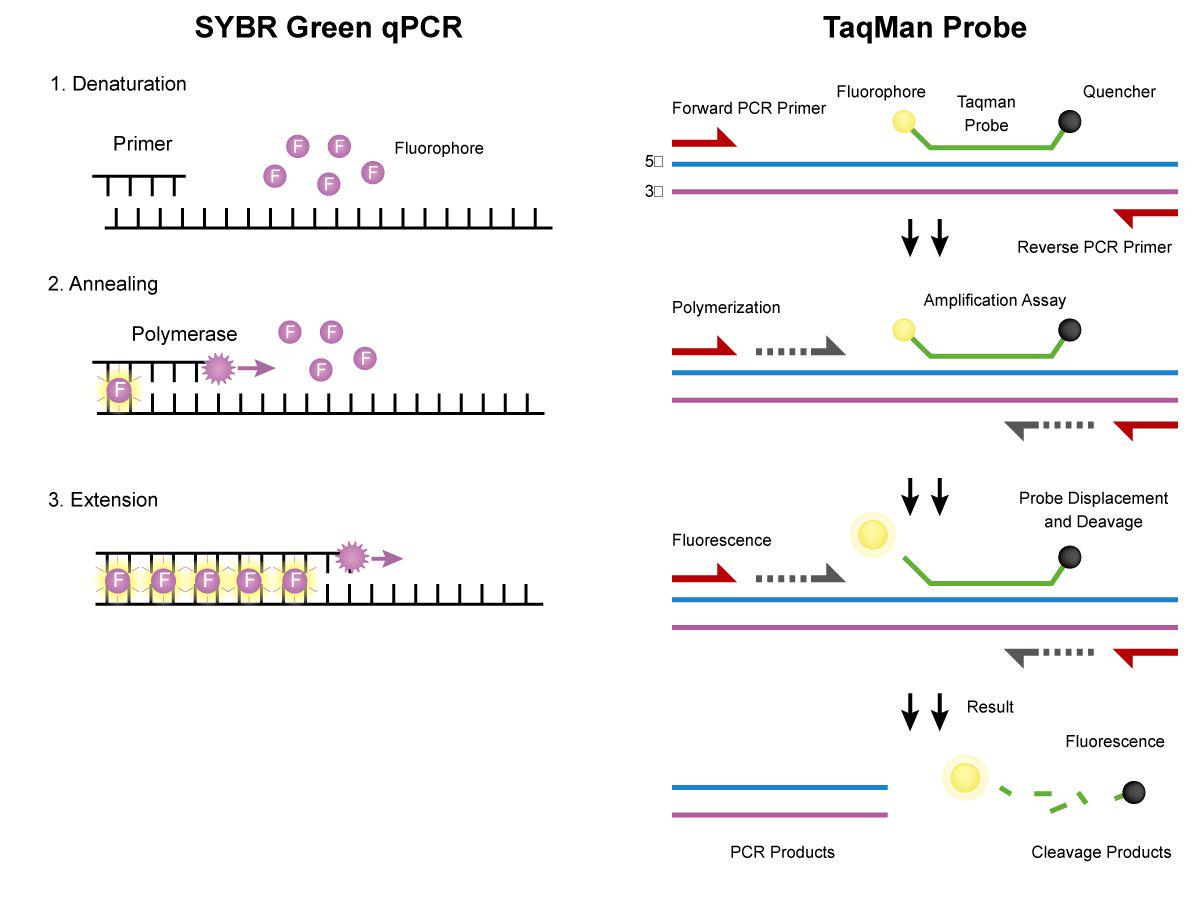
As a team at Synbio Technologies, we support developers working to refine diagnostic workflows, and we understand how accurate qPCR Probe Selection influences assay performance. When IVD kit designers consider how qpcr probe synthesis shapes sensitivity, specificity, and workflow reliability, they gain a clearer view of how each probe structure behaves under real testing conditions. Early evaluation of formats such as a Molecular Beacon Probe also strengthens planning by helping teams match probe properties to various sample types and amplification targets.
Understanding Probe Structure Requirements
When we develop synthesis strategies, we begin by assessing how qPCR Probe Selection affects signal stability and background control. Each probe design—whether a hydrolysis format or a compact Molecular Beacon Probe—responds differently to temperature shifts and sequence context. For this reason, our team evaluates GC balance, quenching efficiency, and target accessibility before initiating any qpcr probe synthesis work. This approach allows IVD developers to maintain predictable performance during validation instead of troubleshooting inconsistent amplification. By structuring these assessments early, we help ensure that probe behavior remains consistent across repeated testing cycles.
Applying Best Practices During Synthesis
During production, our focus is placed on maintaining process control that supports assay developers who depend on reliable qpcr probe synthesis. We review fluorophore–quencher combinations, sequence purity requirements, and probe length constraints to ensure each element aligns with the planned qPCR Probe Selection strategy. When a project calls for a Molecular Beacon Probe, we additionally examine loop and stem design to ensure folding occurs as expected during real-time detection. To help users compare these formats, we offer technical guidance based on typical applications in IVD workflows, including pathogen detection and gene expression analysis. Information from our resource page on choosing the right probe format provides context for selecting suitable designs without interrupting the scientific narrative.
Integrating Probes Into IVD Development
Once probes are synthesized, the focus shifts to verifying how well they integrate into full diagnostic systems. We support developers by offering sequence confirmation, purity documentation, and other data needed for regulatory pathways. Many teams performing qpcr probe synthesis request iterative adjustments as they refine qPCR Probe Selection strategies, and we coordinate these updates to maintain consistency across batches. When a Molecular Beacon Probe is selected for multiplex reactions, we help evaluate the interaction between multiple probes to avoid crosstalk or signal overlap. These steps ensure that probes function predictably when incorporated into complete IVD kits.
Conclusion: Supporting Reliable Probe Design for IVD Kits
Our goal is to assist IVD kit developers in applying strong design principles that guide effective qPCR Probe Selection. By combining thoughtful planning with dependable qpcr probe synthesis, we help ensure that each probe format supports reliable clinical workflows. Whether a project relies on a hydrolysis probe or a Molecular Beacon Probe, our experience allows developers to move forward with well-defined performance expectations. At Synbio Technologies, we remain committed to supporting diagnostic innovation with synthesis solutions that fit diverse assay requirements.