
 DNA Synthesis
 Vector Selection
 Molecular Biology
 Oligo Synthesis
 RNA Synthesis
 Variant Libraries
 Genome KO Library
 Oligo Pools
 Virus Packaging
 Gene Editing
 Protein Expression
 Antibody Services
 Peptide Services
 DNA Data Storage
 Standard Oligo
 Standard Genome KO Libraries
 Standard Genome Editing Plasmid
 ProXpress
 Protein Products
Synbio Technologies has long focused on helping researchers navigate evolving genomic analysis tools, and choosing between qPCR genotyping and NGS is a question we frequently encounter. As applications in SNP Genotyping Detection continue to expand, selecting the most appropriate method becomes increasingly important for laboratories balancing accuracy, cost, and turnaround time. Both qPCR and NGS contribute meaningfully to the growing single nucleotide polymorphism snp genotyping market, yet each method serves different project priorities.
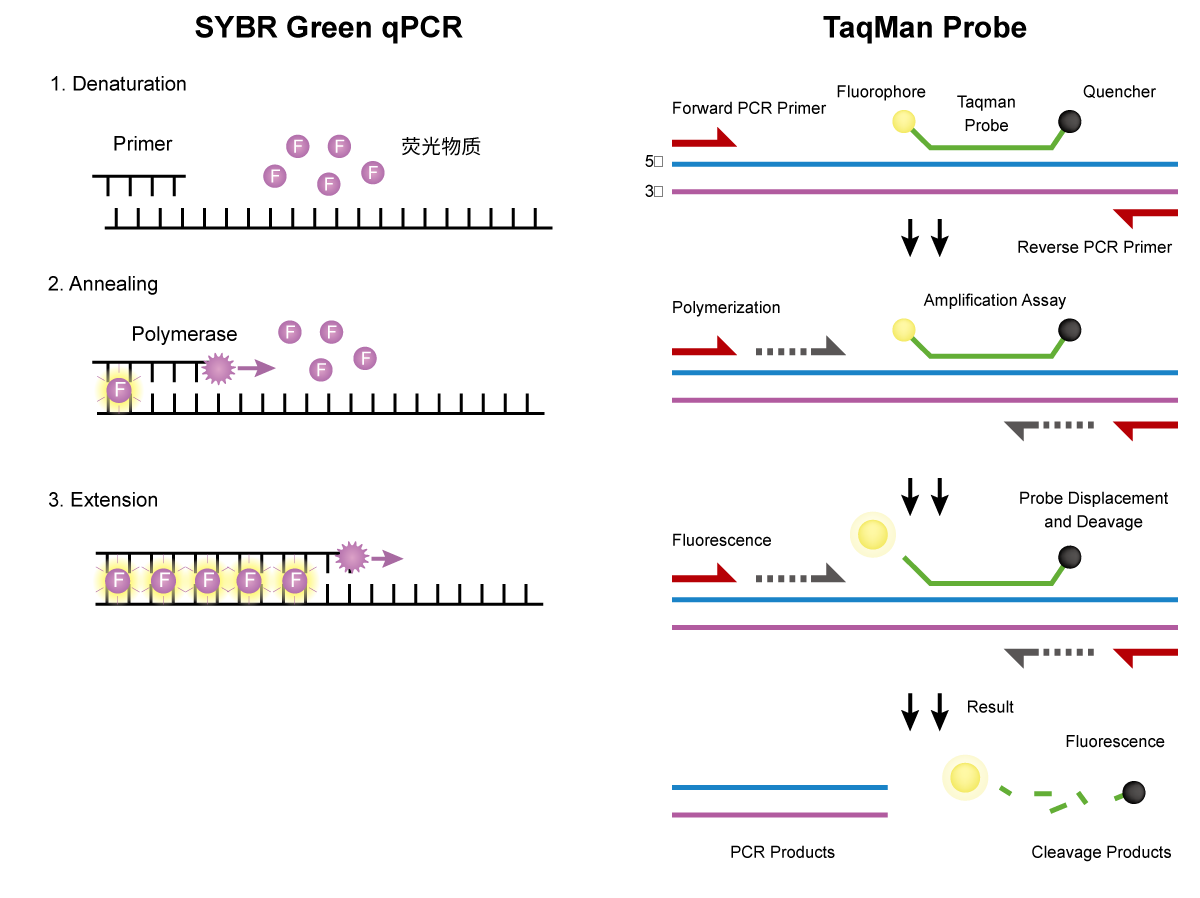
Understanding the Strengths of qPCR Genotyping
For many laboratories, genotyping by qpcr offers a practical and efficient approach to targeted variant analysis. When projects involve a limited set of known SNPs, qPCR provides clear advantages in speed and workflow simplicity. Its relatively short run time enables same-day results for routine SNP Genotyping Detection, making it suitable for validation studies, screening programs, and clinical research workflows that require consistent, rapid outputs. Because the single nucleotide polymorphism snp genotyping market spans diverse application areas—such as agriculture, pharmacogenomics, and infectious disease studies—researchers often select qPCR when they need accurate answers without the extended data processing associated with sequencing. As part of our services, we support customers by offering probe design resources and optimized assay components that integrate smoothly into standard genotyping by qpcr workflows.
When NGS Becomes the Preferred Option
While qPCR focuses on defined targets, NGS allows researchers to explore broader genomic landscapes. When experimental goals involve discovering novel variants or analyzing multiple genomic regions simultaneously, NGS provides high-throughput depth that complements traditional SNP Genotyping Detection methods. Although NGS requires additional bioinformatics and longer turnaround times, its comprehensive output can reveal patterns that qPCR cannot capture. Within the expanding single nucleotide polymorphism snp genotyping market, NGS is often selected for population studies, complex trait analysis, or research that benefits from multi-locus information. For teams still relying on genotyping by qpcr, NGS can also serve as a complementary method for confirmatory analysis, especially when researchers require broader genomic context.
Practical Guidance for Choosing the Right Method
When deciding between the two technologies, we encourage researchers to consider project scope, budget, and data requirements. If the goal is fast, targeted variant confirmation, genotyping by qpcr is typically the more efficient option. Its suitability for high-throughput, predefined SNP Genotyping Detection makes it especially valuable for routine laboratory operations. However, if the objective is to discover new variants or assess a wide genomic region, NGS provides deeper insights aligned with broader trends in the single nucleotide polymorphism snp genotyping market. To support these decisions, we offer resources that help researchers evaluate probe design strategies and learn more about available detection approaches, including the methods described in our SNP genotyping overview.
Conclusion: Finding the Method That Fits Your Goals
In summary, qPCR and NGS each play important roles within modern SNP Genotyping Detection. Projects focused on speed and targeted accuracy often benefit from genotyping by qpcr, while studies requiring broader genomic discovery align more closely with NGS. As the single nucleotide polymorphism snp genotyping market continues to evolve, we remain committed to guiding researchers toward solutions that match their workflow needs. At Synbio Technologies, we support both approaches through reliable assay design resources and dependable manufacturing that help teams achieve confident, data-driven decisions.