
 DNA Synthesis
 Vector Selection
 Molecular Biology
 Oligo Synthesis
 RNA Synthesis
 Variant Libraries
 Genome KO Library
 Oligo Pools
 Virus Packaging
 Gene Editing
 Protein Expression
 Antibody Services
 Peptide Services
 DNA Data Storage
 Standard Oligo
 Standard Genome KO Libraries
 Standard Genome Editing Plasmid
 ProXpress
 Protein Products
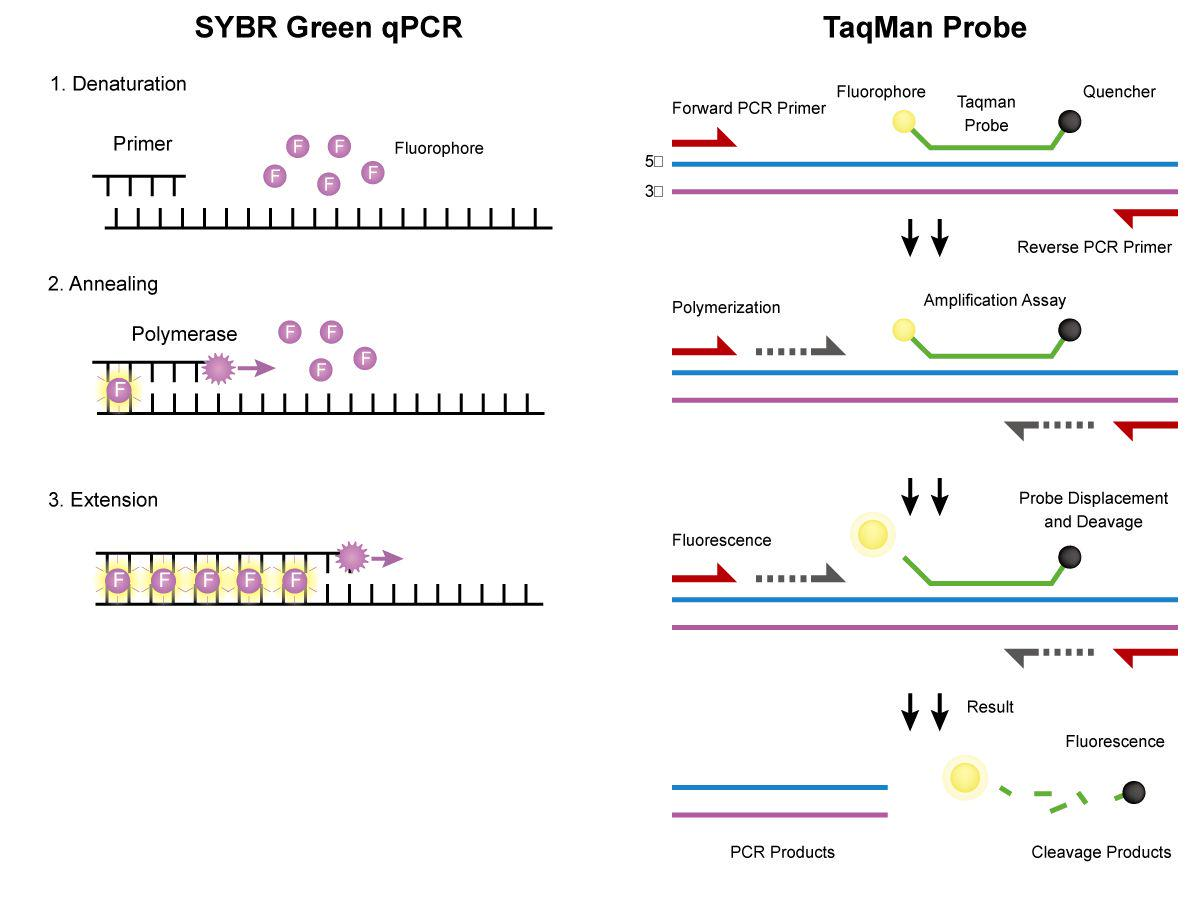
As we continue refining molecular analysis tools at Synbio Technologies, we observe growing interest in how probe chemistry will evolve to meet new research demands. Modern assay design is shifting toward higher precision, and this shift encourages scientists to revisit how qPCR Probe Selection influences data reliability. Our experience supporting diverse molecular workflows shows that improvements in quencher placement, dye stability, and hybridization dynamics will shape the next generation of probes. By understanding these technical factors early, we prepare our users for changes that may influence amplification efficiency and analytical sensitivity.
Emerging Improvements in Probe Architecture
The development of advanced probe formats has increased the need for clear guidance on optimal qPCR Probe Selection. In many workflows, the adoption of a double quenched probe enhances signal control by reducing background fluorescence across a wider range of assay conditions. We have seen researchers benefit from this structure when working with low-copy targets or samples requiring stringent quantification. Future improvements may include refined linker chemistry and modified backbone interactions, allowing probes to maintain signal clarity under complex reaction environments. As researchers evaluate whether a LNA Probe is necessary for demanding applications, they often look for balanced hybridization strength without compromising mismatch recognition. We support these decisions by providing information that helps users compare the functional behavior of different probe types.
Greater Flexibility for Complex Diagnostic and Industrial Uses
As assay applications expand, many research groups expect more flexibility in probe design. This trend influences how we help users think about qPCR Probe Selection, particularly for workflows involving mutation screening, molecular monitoring, or industrial-quality evaluations. A double quenched probe may offer advantages in these situations by improving baseline stability, especially in assays requiring repeated thermal cycling across broad temperature profiles. Meanwhile, the adoption of a LNA Probe continues to rise among teams who need compact probe designs capable of maintaining performance in regions with high sequence similarity. These shifts reflect a larger movement in the field: scientists seek tools that adapt to experimental constraints without requiring extensive redesign.
Conclusion: How We Prepare for the Next Stage of Probe Development
Looking forward, we expect probe technology to become more adaptable, allowing users to tailor hybridization strength, quenching efficiency, and assay compatibility with greater precision. For this reason, we emphasize thoughtful qPCR Probe Selection as a foundation for building robust workflows. Many projects may continue to rely on a double quenched probe for enhanced fluorescence control, while others may choose a LNA Probe for demanding target regions. To support these evolving needs, we provide guidance and resources that help researchers compare probe formats and select appropriate designs for their experiments. As innovation continues, we remain committed to offering practical insights and dependable solutions at Synbio Technologies.