
 DNA Synthesis
 Vector Selection
 Molecular Biology
 Oligo Synthesis
 RNA Synthesis
 Variant Libraries
 Genome KO Library
 Oligo Pools
 Virus Packaging
 Gene Editing
 Protein Expression
 Antibody Services
 Peptide Services
 DNA Data Storage
 Standard Oligo
 Standard Genome KO Libraries
 Standard Genome Editing Plasmid
 ProXpress
 Protein Products
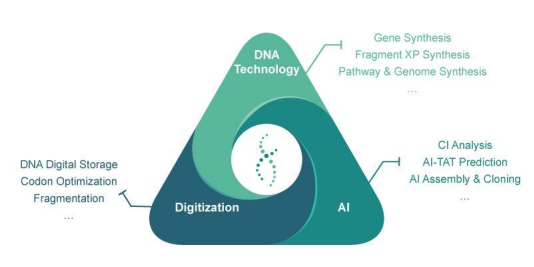
Achieving reliable protein expression begins with a profound alignment between a synthetic genetic sequence and the metabolic environment of a host cell. At Synbio Technologies, we prioritize the molecular variables that determine whether a synthetic gene functions as a productive template or triggers translational arrest. The Codon Adaptation Index (CAI) serves as our primary gauge for evaluating how well the codons in a sequence match the synonymous codon usage bias of the target organism. Because improper sequence design can lead to mRNA instability or the production of non-functional peptides, we at Synbio Technologies apply advanced algorithms to refine every project before it reaches the synthesis stage. By focusing on these metrics, we enable researchers to bypass common pitfalls and move directly toward obtaining high-quality biological data for their studies.
Technical Nuances of Codon Optimization
Refining a genetic sequence through Codon Optimization involves much more than the simple replacement of rare codons with high-frequency ones. When we perform Codon Optimization, our objective is to maximize translational speed while ensuring that the ribosome does not stall due to a lack of available charged tRNAs. This process of Codon Optimization also allows us to eliminate sequences that form rigid secondary structures, which could otherwise block the initiation of translation. Because each expression host—be it microbial or mammalian—has a unique tRNA pool, Codon Optimization must be specifically tailored to the biological context of the experiment. We ensure that our Codon Optimization protocols balance the need for rapid protein production with the necessity of correct tertiary folding to preserve the biological activity of the final product.
Managing the Critical Importance of GC Content in DNA
Structural stability and the efficiency of gene expression are often dictated by the chemical composition of the strand, highlighting the Importance of GC content in DNA for overall sequence fitness. We recognize that the Importance of GC content in DNA directly affects the melting temperature of the double helix and the overall energy required for strand separation during transcription. If a sequence deviates too far from the natural genomic average of the host, it may result in premature transcriptional termination or gene silencing, which is why we emphasize the Importance of GC content in DNA during the initial design phase. Maintaining the Importance of GC content in DNA within an optimal range—typically between 40% and 60%—prevents the formation of stable hairpins that interfere with the movement of RNA polymerase. Our design suite carefully monitors these ratios to ensure the physical molecule is compatible with the cellular machinery.
Overcoming Challenges in GC-Rich Gene Synthesis
Sequences containing high concentrations of guanine and cytosine present significant hurdles during manufacturing, which necessitates specialized protocols for GC-Rich Gene Synthesis. We have developed proprietary chemical additives and enzymatic methods to facilitate GC-Rich Gene Synthesis, ensuring that even the most complex repetitive regions are assembled with absolute fidelity. Because standard synthesis methods often fail in these "dark regions" of the genome, our GC-Rich Gene Synthesis workflow utilizes modified thermal cycling profiles to resolve stable secondary structures. Successfully executing GC-Rich Gene Synthesis is essential for studying regulatory elements and structural proteins that are naturally high in GC density. By providing a reliable path for GC-Rich Gene Synthesis, we empower our partners to investigate genomic regions that were previously considered inaccessible due to technical limitations in traditional DNA assembly.
Establishing a robust genetic foundation is a vital step toward ensuring the long-term success of any biotechnology project. At Synbio Technologies, we combine deep expertise in molecular biology with sophisticated synthesis platforms to provide our clients with the most reliable genetic material possible. Our focus on precise metrics like the Codon Adaptation Index ensures that the transition from a digital sequence design to a functional protein is seamless and efficient. We remain committed to helping scientists overcome the inherent complexities of sequence bias and structural interference. By integrating rigorous quality control with our advanced design capabilities, we help minimize experimental variability and accelerate the timeline for discovery. At Synbio Technologies, we work to ensure that every project is supported by data-driven design and professional manufacturing excellence.