
 DNA Synthesis
 Vector Selection
 Molecular Biology
 Oligo Synthesis
 RNA Synthesis
 Variant Libraries
 Genome KO Library
 Oligo Pools
 Virus Packaging
 Gene Editing
 Protein Expression
 Antibody Services
 Peptide Services
 DNA Data Storage
 Standard Oligo
 Standard Genome KO Libraries
 Standard Genome Editing Plasmid
 ProXpress
 Protein Products
As Synbio Technologies, we work closely with researchers who rely on clear scientific foundations to support their projects, and understanding RNA Synthesis is one of the essential stepping stones. In this guide, we explain what RNA Synthesis means, how different types are applied, and why these processes matter for modern molecular workflows. As interest in advanced therapeutics continues to grow, our team has seen how the ability to efficiently Synthesize mRNA contributes to expanding RNA Therapy Applications in research and development.
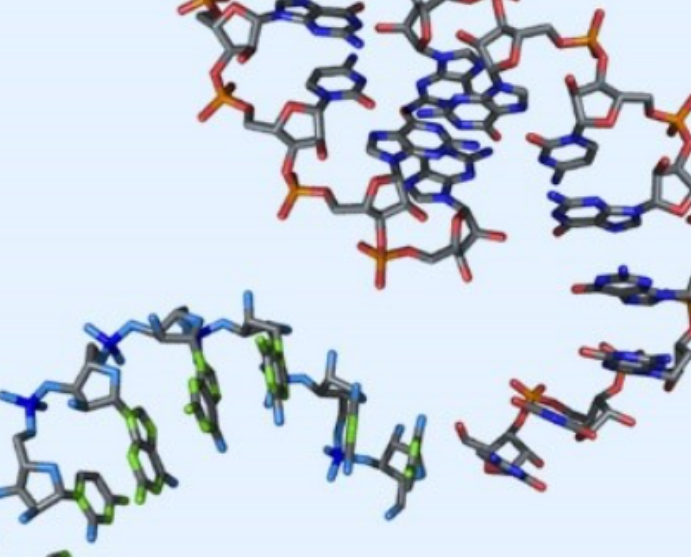
The Basics of RNA Synthesis
When we discuss RNA Synthesis, we refer to the biochemical process that generates RNA molecules based on a DNA template. This concept provides the basis for mRNA production, functional RNA design, and therapeutic exploration. Many teams choose to Synthesize mRNA for projects involving gene expression analysis, protein production, or vaccine-related studies. As these techniques evolve, we have observed growing attention toward RNA Therapy Applications, particularly those involving transient and precisely controlled expression. Our role is to support this growing interest by maintaining accurate synthesis workflows and ensuring that scientific expectations align with practical outcomes.
Different Types and Their Practical Uses
There are several approaches to RNA Synthesis, including enzymatic in vitro transcription and chemically driven methods. Each one allows researchers to Synthesize mRNA with varying degrees of customization, such as modified nucleotides, structural variants, or regulatory elements. The expanding landscape of RNA Therapy Applications strengthens the need for these options, especially where delivery efficiency and RNA stability influence outcomes. To help researchers navigate these choices, we offer technical materials that clarify design considerations, and our resource on mRNA workflow strategies provides additional context on how to select suitable synthesis conditions without overwhelming new users.
How These Processes Support Real-World Research
As real-world research becomes increasingly interdisciplinary, we see how RNA Synthesis supports fields such as immunology, oncology, and regenerative biology. Many laboratories choose to Synthesize mRNA when testing protein function or validating therapeutic concepts, often integrating these methods into cell-based or pre-clinical models. This trend strengthens the importance of reliable RNA Therapy Applications, where repeatable performance and consistent molecular behavior are essential. To support this, we maintain resources that explain strategy development, optimization steps, and synthesis challenges in a structured and accessible format. Our webpage on RNA synthesis techniques provides additional guidance for researchers seeking practical, science-driven insights.
Conclusion: Understanding RNA for Future Research
In summary, RNA Synthesis provides a crucial foundation for many scientific directions. When researchers choose to Synthesize mRNA, they gain access to versatile tools that support experimentation, exploration, and targeted study design. As RNA Therapy Applications continue to expand, the ability to understand these fundamental processes becomes even more valuable. At Synbio Technologies, we aim to provide clear explanations and practical resources that help the scientific community make informed decisions and progress with confidence.