
 DNA Synthesis
 Vector Selection
 Molecular Biology
 Oligo Synthesis
 RNA Synthesis
 Variant Libraries
 Genome KO Library
 Oligo Pools
 Virus Packaging
 Gene Editing
 Protein Expression
 Antibody Services
 Peptide Services
 DNA Data Storage
 Standard Oligo
 Standard Genome KO Libraries
 Standard Genome Editing Plasmid
 ProXpress
 Protein Products
Synbio Technologies has long focused on helping researchers strengthen their understanding of modern molecular tools, and one of the most important among them is the diagnostic oligonucleotide. As we continue expanding our capabilities, we aim to explain how these short, highly specific sequences support various Molecular Diagnostic applications and why carefully designed qPCR Probes remain an essential part of accurate laboratory workflows. Through this guide, we hope to provide clarity for teams that rely on consistent and dependable molecular solutions.
What Are Diagnostic Oligonucleotides?
When we refer to a diagnostic oligonucleotide, we are describing a short DNA or RNA sequence used to identify, detect, or characterize genetic targets. These sequences help laboratories interpret biological samples and support a wide range of scientific and medical applications. Their ability to function within different Molecular Diagnostic workflows also makes them essential for assays involving qPCR Probes, hybridization methods, or targeted amplification. Because each diagnostic tool must align with the intended target, the accuracy of sequence design directly influences the reliability of results. We consistently refine our design strategies to help users achieve stable performance across diverse testing scenarios.
Why qPCR Probes Play a Central Role
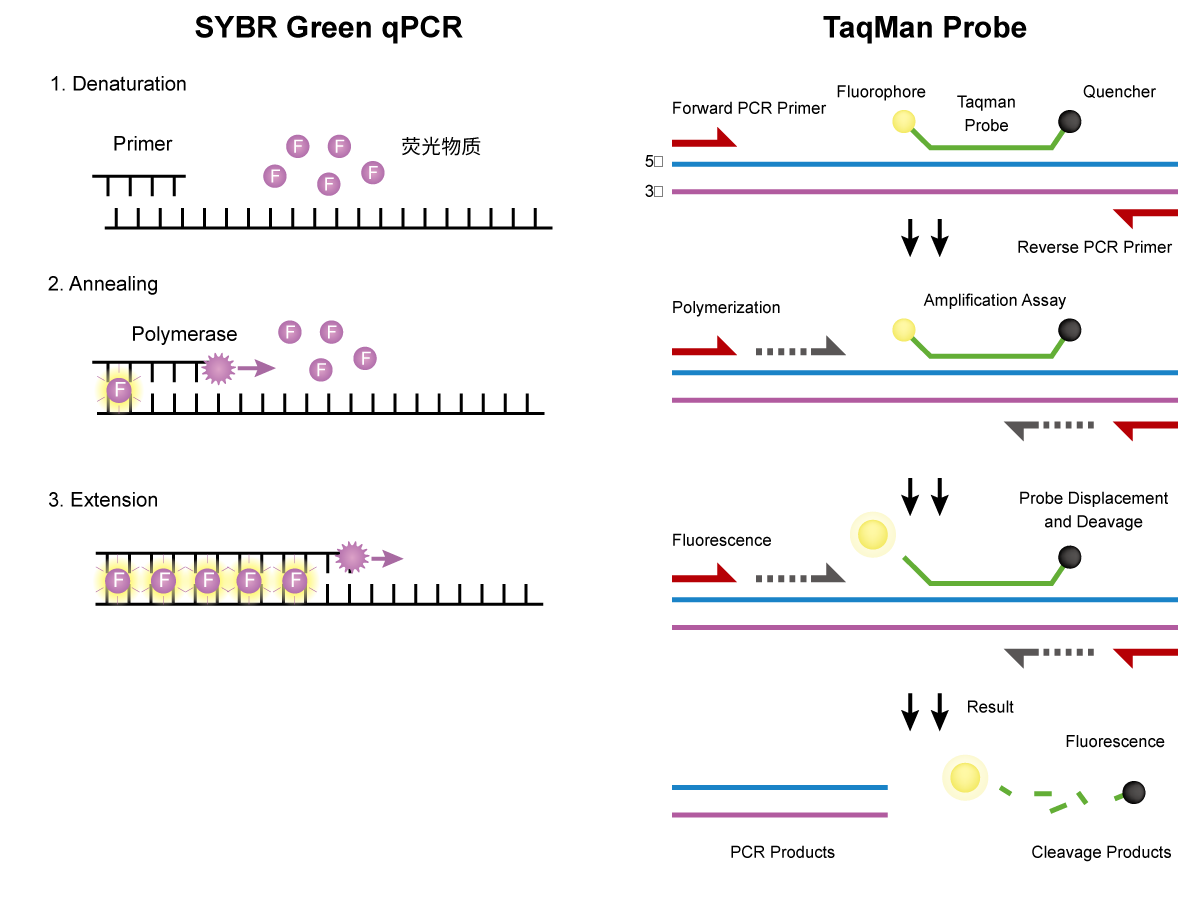
Within diagnostic workflows, qPCR Probes are often used to confirm the presence of a specific nucleic acid sequence. These probes help ensure that a diagnostic oligonucleotide functions with the necessary precision. In many Molecular Diagnostic workflows, the probe’s signal provides quantitative insight, allowing users to measure gene expression or identify pathogens with clarity. Our team dedicates significant effort to optimizing probe structure, fluorophore placement, and quenching balance so researchers can achieve dependable results. When we introduce our diagnostic probe products, we focus on gradual transitions from basic principles to practical applications, making it easier for users to integrate them into existing systems without abrupt changes in workflow.
To support this scientific foundation, we also offer probe and oligo options suitable for diverse experiment types. These resources help researchers select tools that complement their assay goals without adding unnecessary complexity. More information about our probe specifications can be found in our product guidance materials.
How Molecular Diagnostic Applications Benefit from Accuracy
Successful Molecular Diagnostic testing relies heavily on the specificity of each diagnostic oligonucleotide. As researchers work with clinical, environmental, or genetic samples, both the oligo and the associated qPCR Probes must exhibit dependable performance. Even small variations can affect interpretation, so we maintain a consistent approach to synthesis, purification, and verification. Our internal workflow ensures that each tool supports users who require steady, reproducible outcomes. For teams managing larger testing volumes, dependable tools allow them to focus on experimental planning rather than troubleshooting variability.
Conclusion: Building Confidence Through Reliable Tools
In conclusion, understanding the role of each diagnostic oligonucleotide is essential for effective Molecular Diagnostic development, and well-designed qPCR Probes help strengthen that reliability. By refining our design workflows and maintaining rigorous synthesis practices, we aim to support researchers who depend on accurate molecular tools. As we continue to expand our capabilities, Synbio Technologies remains committed to providing resources that help users navigate the evolving landscape of diagnostic assays with confidence.