
 DNA Synthesis
 Vector Selection
 Molecular Biology
 Oligo Synthesis
 RNA Synthesis
 Variant Libraries
 Genome KO Library
 Oligo Pools
 Virus Packaging
 Gene Editing
 Protein Expression
 Antibody Services
 Peptide Services
 DNA Data Storage
 Standard Oligo
 Standard Genome KO Libraries
 Standard Genome Editing Plasmid
 ProXpress
 Protein Products
Comparing the various pathways of gene silencing requires a clear look at how synthetic molecules interact with cellular machinery. At Synbio Technologies, we provide high-quality reagents to help researchers distinguish between these potent gene-regulation tools. While both methods aim to knock down specific gene expression, the biological vehicles they use are distinct. One method relies on the RNA-induced silencing complex, while the other typically triggers RNase H-mediated cleavage of the target. By utilizing our expertise in siRNA Synthesis, we support laboratories in determining which approach fits their specific experimental model. We believe that clarity in these molecular differences is vital for any successful study involving siRNA technology and other nucleic acid therapeutics.
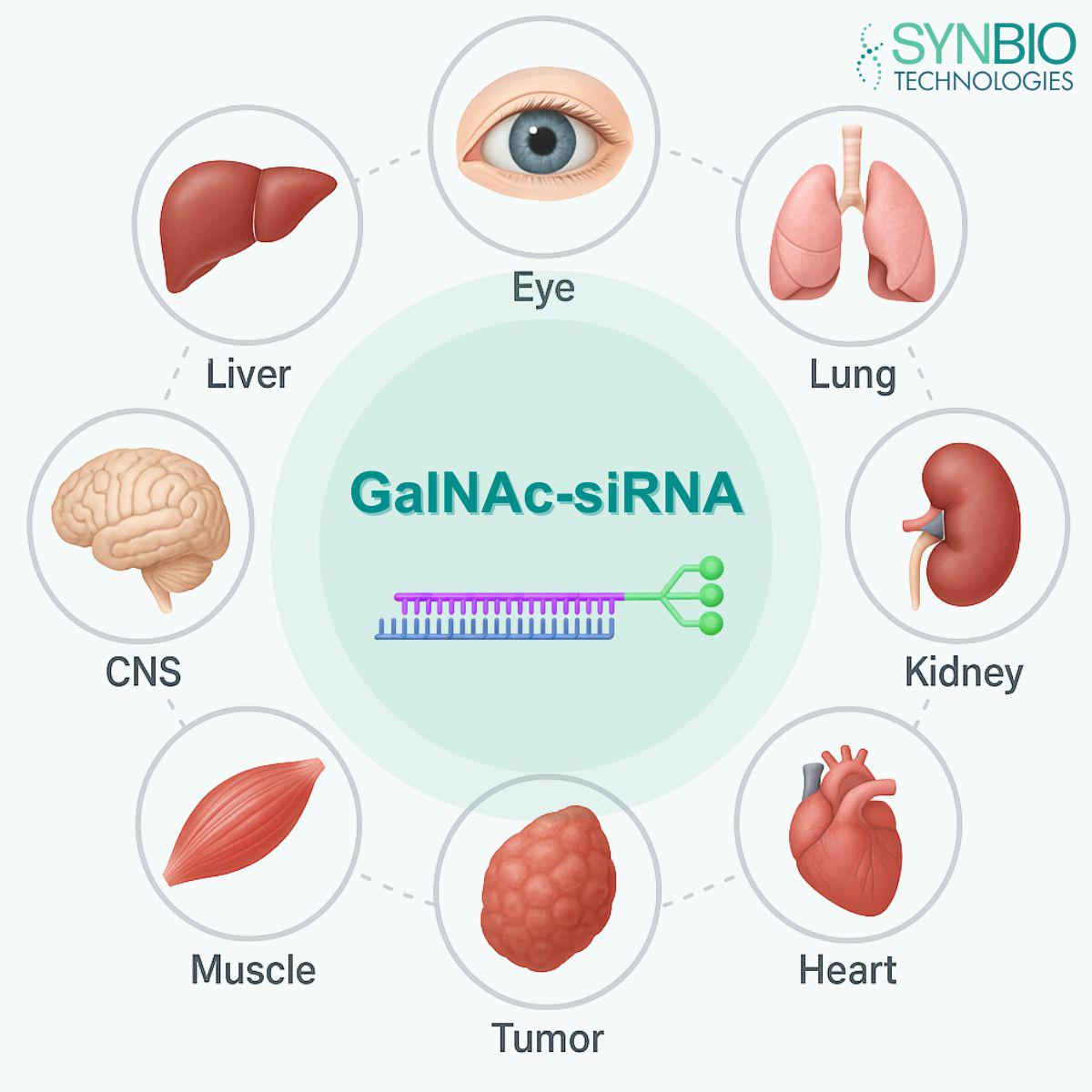
Core Mechanisms of siRNA Technology
Effective gene knockdown via siRNA technology depends on the natural RNA interference pathway. This siRNA technology utilizes double-stranded RNA molecules, usually 21 to 23 base pairs in length, to target specific messenger RNA for degradation. When we perform siRNA Synthesis, we ensure that the resulting duplexes are optimized for loading into the RISC complex. Once the guide strand is incorporated, the siRNA technology allows for highly specific recognition of the complementary mRNA sequence. This catalytic process makes siRNA technology a very potent tool, as a single RISC complex can cycle through and destroy multiple mRNA targets. Our team focuses on providing the precise sequences necessary to harness this endogenous siRNA technology with maximum efficiency and minimal off-target effects.
Distinguishing miRNA and siRNA Pathways
A common point of confusion in molecular biology involves the functional relationship between miRNA and siRNA. Both miRNA and siRNA are small RNA molecules that regulate gene expression, but their origins and degrees of complementarity differ. Typically, miRNA and siRNA diverge in that miRNAs are often endogenous and can target multiple mRNAs with imperfect matches, whereas siRNAs are usually exogenous and designed for near-perfect complementarity. We offer specialized services for both miRNA and siRNA to ensure researchers can study these nuances effectively. By comparing miRNA and siRNA, scientists can better grasp how cells naturally control protein translation. Whether your project focuses on the broad regulatory networks of miRNA or the surgical precision of siRNA, we provide the synthesized strands required for these complex comparisons.
Technical Requirements for siRNA Synthesis
Precision in siRNA Synthesis is the foundational requirement for any knockdown experiment. During the process of siRNA Synthesis, we pay close attention to chemical modifications, such as 2'-OMe or phosphorothioate linkages, which enhance the stability of the RNA in serum. Our siRNA Synthesis protocols are designed to yield high-purity duplexes that are ready for immediate transfection. If the siRNA Synthesis is not performed with rigorous quality control, the resulting strands might trigger an immune response or fail to integrate into the silencing complex. We prioritize mass spectrometry and HPLC purification in our siRNA Synthesis workflow to ensure that the final product matches your exact specifications. By refining the parameters of siRNA Synthesis, we enable researchers to achieve reproducible results across various cell lines.
Success in modern functional genomics depends on the reliability of the synthetic components used to manipulate the genome. We understand that the distinction between ASOs and RNA-based tools is a critical decision point for your therapeutic or basic research goals. By providing a comprehensive suite of services that include both miRNA and siRNA tools, we empower the scientific community to push the boundaries of what is possible in molecular medicine. The choice between these technologies often comes down to the specific cellular compartment being targeted and the desired duration of the effect. At Synbio Technologies, we remain committed to delivering the high-grade materials and technical support needed to ensure your silencing experiments are both accurate and effective. Through our dedication to quality, we help turn complex biological questions into clear, actionable data. siRNA is ideal for cytoplasmic, transient knockdown, whereas ASOs can target nuclear transcripts or provide longer-term effects.