
 DNA Synthesis
 Vector Selection
 Molecular Biology
 Oligo Synthesis
 RNA Synthesis
 Variant Libraries
 Genome KO Library
 Oligo Pools
 Virus Packaging
 Gene Editing
 Protein Expression
 Antibody Services
 Peptide Services
 DNA Data Storage
 Standard Oligo
 Standard Genome KO Libraries
 Standard Genome Editing Plasmid
 ProXpress
 Protein Products
At Synbio Technologies, we work closely with researchers exploring new directions in gene-based modulation, and this includes growing interest in siRNA drugs. As many groups advance programs involving RNA Synthesis, siRNA has become an essential tool for studying gene activity and shaping functional outcomes in different cell models. These small double-stranded RNA fragments are widely applied because they can guide targeted gene suppression without altering genomic sequences. Their adaptability also fits naturally within broader RNA Therapy Applications, especially in early research where selective regulation is required. With expanding work on Synthesis of mRNA from DNA template, siRNA often complements other RNA formats by giving researchers an additional way to control pathways during development.
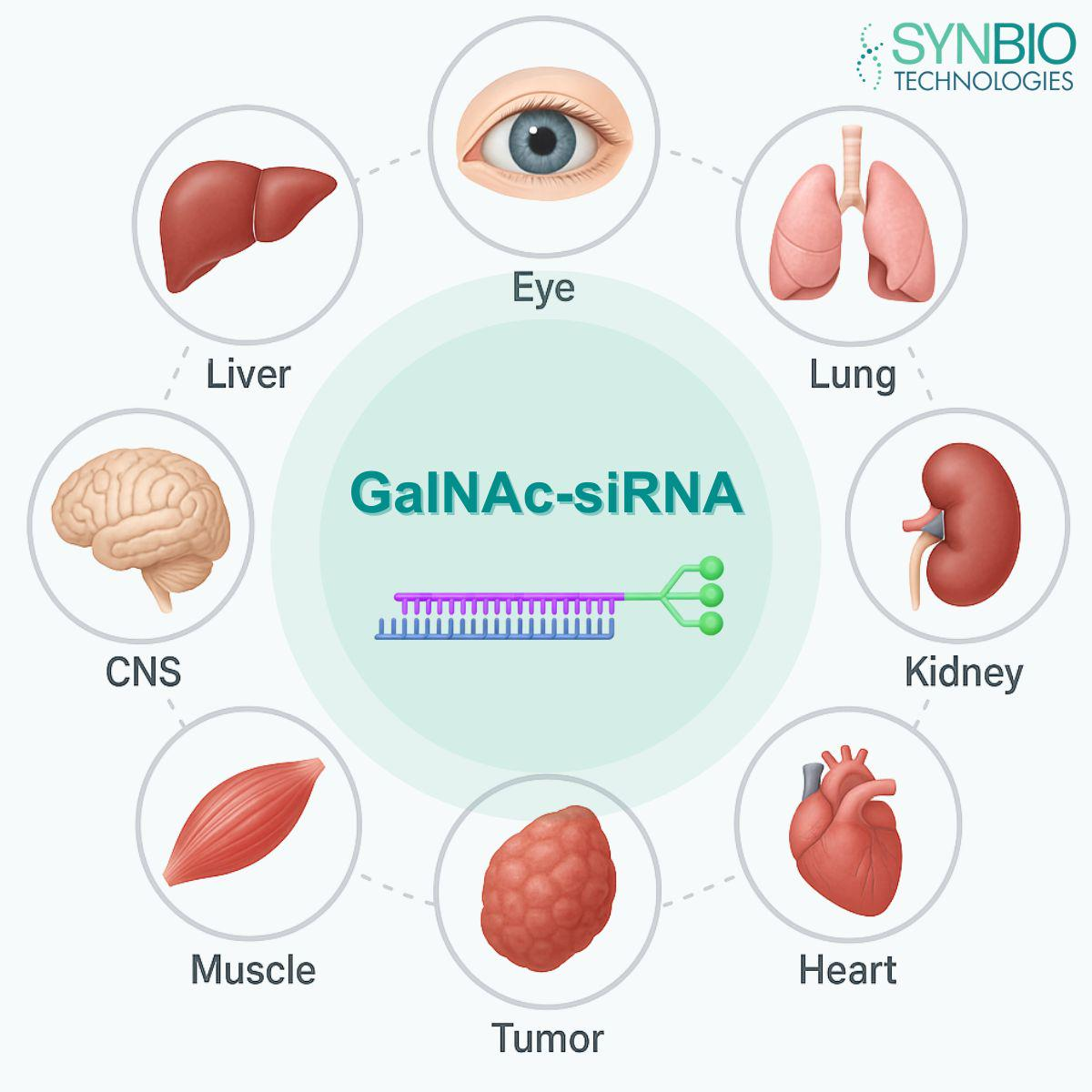
Understanding the Mechanism of siRNA-Driven Gene Silencing
siRNA drugs function through a well-established biological process known as RNA interference. After entering the cell, the siRNA duplex is incorporated into a protein complex that identifies and pairs with matching messenger RNA. When the pairing occurs, the target sequence is cleaved and its translation is reduced. Many teams using RNA Synthesis rely on this precise mechanism because it allows them to examine how selective inhibition affects downstream cellular processes. During projects involving Synthesis of mRNA from DNA template, siRNA can also be used to modulate related pathways and establish clearer experimental baselines. As interest in RNA Therapy Applications continues to grow, understanding this mechanism helps researchers evaluate which indications may benefit from temporary gene down-regulation.
Why siRNA Drugs Matter in Current Research Landscapes
siRNA drugs are gaining wider attention across therapeutic research, functional genomics, and pathway validation studies. Their ability to deliver temporary and reversible gene suppression provides an adaptable tool that fits into many discovery workflows. For example, when researchers apply RNA Synthesis to generate custom fragments for screening, siRNA can help determine which targets influence phenotype. Within programs using Synthesis of mRNA from DNA template, siRNA can be paired with mRNA constructs to observe combined effects on cellular responses. Many groups working on RNA Therapy Applications value siRNA because it allows systematic evaluation of gene contribution before proceeding to more complex modalities. At our company, we support these efforts by offering high-quality RNA materials produced through specialized synthesis strategies described in our technical resources.
Integrating siRNA into Applied RNA Research
As RNA-based exploration expands, the need for dependable materials and consistent workflows becomes increasingly important. Our experience in RNA Synthesis helps teams generate sequences that match project requirements while supporting reproducibility across experiments. siRNA frameworks also integrate well with research involving Synthesis of mRNA from DNA template, where parallel examination of activation and suppression pathways can strengthen overall insight. Many users engaged in RNA Therapy Applications apply siRNA to refine early concepts, evaluate pathway sensitivity, or establish functional controls for comparative studies. By offering process transparency and careful quality management, we help researchers incorporate siRNA into broader RNA development strategies without interrupting ongoing workflows.
Conclusion: siRNA’s Expanding Role in Modern RNA Research
siRNA drugs provide a practical method for guiding targeted gene suppression and remain an important component of contemporary RNA research. Their compatibility with RNA Synthesis workflows and their ability to complement Synthesis of mRNA from DNA template make them valuable tools for early discovery. As interest in RNA Therapy Applications continues to develop, siRNA will remain vital for pathway evaluation and functional studies. Through our ongoing support at Synbio Technologies, we remain committed to helping researchers integrate siRNA work into broader RNA-based innovation.