
 DNA Synthesis
 Vector Selection
 Molecular Biology
 Oligo Synthesis
 RNA Synthesis
 Variant Libraries
 Genome KO Library
 Oligo Pools
 Virus Packaging
 Gene Editing
 Protein Expression
 Antibody Services
 Peptide Services
 DNA Data Storage
 Standard Oligo
 Standard Genome KO Libraries
 Standard Genome Editing Plasmid
 ProXpress
 Protein Products
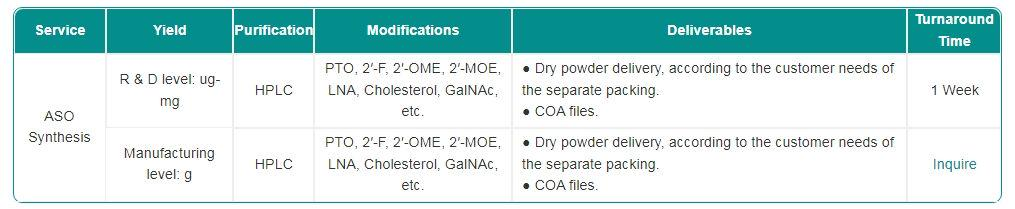
At Synbio Technologies, we approach RNA-related research with a focus on clarity and practical application. Many teams who work with ASO Synthesis, explore mechanisms behind How do antisense oligos work, or rely on dependable Antisense oligo synthesis often begin by understanding the fundamentals of RNA synthesis itself. As RNA continues to influence therapeutic discovery and molecular analysis, we see researchers across multiple fields seeking structured, reliable workflows that support both early exploration and targeted development.
Foundations of RNA Synthesis in Modern Research
RNA synthesis involves generating RNA molecules from defined templates, typically through enzymatic reactions that resemble natural transcription. When we support projects connected to ASO Synthesis, we often start with discussions about template accuracy, base incorporation, and sequence-specific behavior. Understanding How do antisense oligos work also depends on recognizing how RNA interacts with complementary strands within the cell, influencing translation and downstream biological activity. Our experience shows that reliable Antisense oligo synthesis benefits from strong design principles, consistent quality, and careful management of chemical modifications that guide the intended function. By establishing these foundations, we help research teams apply RNA synthesis effectively across diagnostics, gene regulation studies, and early therapeutic evaluation.
Connecting RNA Synthesis to Antisense Strategies
Many research groups view RNA synthesis and antisense approaches as closely linked. When we discuss ASO Synthesis with users, they often evaluate how RNA behavior shapes the targeting precision of antisense designs. A clear understanding of How do antisense oligos work provides context for hybridization efficiency, stability, and specificity—factors that are essential for practical application. When we assist with antisense oligo synthesis, we ensure consistent sequence construction. We also align the final material with the researcher's specific goals.This connection becomes especially relevant when teams explore regulatory pathways or attempt to adjust gene expression in controlled settings. To support these needs, our product line offers structured options that users can review when planning antisense projects, including the systems introduced on our informational page about antisense oligonucleotides.
Conclusion: Applying RNA Synthesis Knowledge to Practical Research
A clear understanding of RNA synthesis allows teams to design experiments with stronger direction and more reliable outcomes. When we guide users working on ASO Synthesis, we emphasize how RNA behavior influences decision-making at each stage. Appreciating How do antisense oligos work helps researchers evaluate pathways for targeted modulation, while dependable Antisense oligo synthesis provides the materials necessary to test those ideas effectively. By combining scientific clarity with stable production approaches, we continue supporting projects that rely on precise molecular tools. At Synbio Technologies, these combined insights shape how we contribute to RNA-related research from concept to experimental execution.