
 DNA Synthesis
 Vector Selection
 Molecular Biology
 Oligo Synthesis
 RNA Synthesis
 Variant Libraries
 Genome KO Library
 Oligo Pools
 Virus Packaging
 Gene Editing
 Protein Expression
 Antibody Services
 Peptide Services
 DNA Data Storage
 Standard Oligo
 Standard Genome KO Libraries
 Standard Genome Editing Plasmid
 ProXpress
 Protein Products
As Synbio Technologies, we continue refining our approach to RNA Synthesis by examining how structure, sequence, and chemical context influence functional output. Many teams working on RNA Therapy Applications rely on predictable behavior of molecules during early testing, and this drives us to study design principles that support resistance to degradation. The Synthesis of mRNA from DNA template remains a central step in our workflow, giving us the ability to adjust untranslated regions, codon balance, and secondary structure to promote longer half-life in biological environments. By evaluating these elements systematically, we build mRNA constructs that maintain integrity across a range of research conditions.
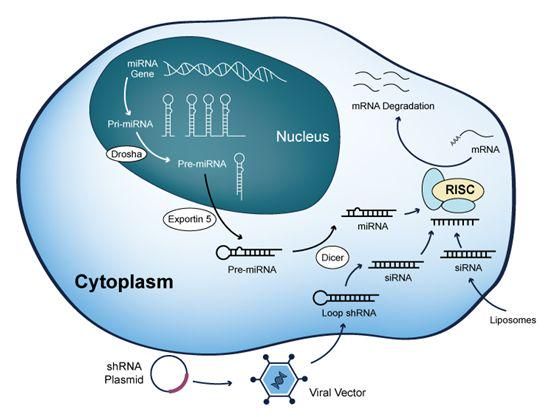
Structural Factors Shaping mRNA Behavior
Enhancing mRNA stability begins with understanding how folding, capping structure, and poly(A) tail length affect persistence. During RNA Synthesis, we examine how minor sequence adjustments influence global folding, supporting improved performance in RNA Therapy Applications where predictable expression is crucial. Our work involving the Synthesis of mRNA from DNA template allows us to optimize untranslated regions without disrupting the core message, ensuring that the molecule remains functional while better resisting hydrolytic conditions. These refinements help researchers evaluate dosage plans more precisely and maintain consistent outcomes throughout iterative testing. Our process draws on established biochemical principles to guide adjustments that strengthen molecular lifetime without compromising clarity of expression.
Chemical Modifications and Production Considerations
When optimizing mRNA constructs, we evaluate how chemical modifications interact with cellular environments. In many RNA Therapy Applications, selective modifications are used to control immunogenicity or adjust durability. As we plan RNA Synthesis, we consider how each modification affects downstream transcription efficiency and molecular behavior. The Synthesis of mRNA from DNA template provides the foundation for introducing these adjustments with balanced control across the reaction steps. Our internal methods focus on maintaining high-quality transcription conditions, consistent purification, and the removal of impurities that may shorten half-life. By integrating these considerations, we support researchers who require reliable mRNA constructs for experimental validation and extended functional studies.
Conclusion: Integrating Design Principles to Improve mRNA Durability
Improving stability and half-life requires a combination of structural tuning, chemical insight, and dependable production workflows. For teams pursuing RNA Therapy Applications, rigorous planning during RNA Synthesis ensures that each construct supports reproducible outcomes. Through careful refinement during the Synthesis of mRNA from DNA template, we maintain control over key variables influencing molecular durability. These practices allow our company to help researchers explore new therapeutic ideas and evaluate how mRNA behaves across varied experimental conditions. As Synbio Technologies, we remain committed to advancing these techniques and supporting the continued progress of RNA-based research.