
 DNA Synthesis
 Vector Selection
 Molecular Biology
 Oligo Synthesis
 RNA Synthesis
 Variant Libraries
 Genome KO Library
 Oligo Pools
 Virus Packaging
 Gene Editing
 Protein Expression
 Antibody Services
 Peptide Services
 DNA Data Storage
 Standard Oligo
 Standard Genome KO Libraries
 Standard Genome Editing Plasmid
 ProXpress
 Protein Products
At Synbio Technologies, we recognize that gene synthesis is a revolutionary process that has transformed the landscape of molecular biology. By artificially synthesizing double-stranded DNA molecules in vitro, researchers can access target genes with unprecedented ease and efficiency. In this article, we will explore the fundamentals of gene synthesis, the advantages of custom gene synthesis, and how our services can support your research endeavors.
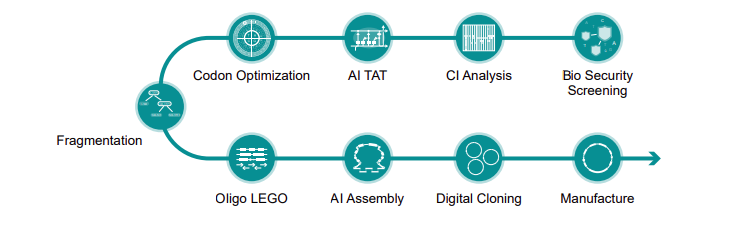
What is Gene Synthesis?
Gene synthesis is the process of constructing DNA sequences from scratch, allowing scientists to create specific genes without being limited by the availability of natural templates. This technique is particularly valuable in various applications, including genetic engineering, synthetic biology, and biomedical research. The ability to design and produce custom genes has opened up a myriad of possibilities for researchers aiming to study, modify, or create new organisms.
Key Features of Gene Synthesis
Short Synthesis Cycle: One of the most significant advantages of gene synthesis is the relatively short synthesis cycle. This rapid turnaround allows researchers to obtain the genetic materials they need quickly, facilitating faster experimentation and innovation.
Template Independence: Traditional cloning methods often rely on existing templates, which can be limiting. Gene synthesis, however, is not constrained by the source of the template, enabling the creation of entirely novel sequences tailored to specific research needs.
Precision and Flexibility: With gene synthesis, scientists can design genes with precise sequences, including modifications such as specific codon usage or the incorporation of unique features. This flexibility enhances the potential for groundbreaking discoveries.
Applications of Gene Synthesis
The applications of gene synthesis are vast and impactful across multiple fields:
1. Genetic Engineering
Gene synthesis is a cornerstone of genetic engineering, enabling the modification of organisms for various purposes. By synthesizing genes with specific traits, researchers can create genetically modified organisms (GMOs) that exhibit desired characteristics, such as increased resistance to diseases or enhanced nutritional content.
2. Synthetic Biology
In synthetic biology, gene synthesis plays a crucial role in constructing new biological systems. Researchers can design and assemble genetic circuits that perform specific functions, paving the way for innovations in biotechnology, biofuels, and pharmaceuticals.
Why Choose Synbio Technologies for Gene Synthesis?
At Synbio Technologies, we are committed to being your trusted partner in gene synthesis. Here are several reasons to choose our services:
Our team comprises experts with extensive experience in gene synthesis and molecular biology. We leverage our knowledge to deliver high-quality results that meet your specific needs.We utilize cutting-edge technology and methodologies to ensure the highest standards in gene synthesis. Our advanced equipment allows us to produce synthetic genes efficiently and accurately.
We prioritize our clients and are dedicated to providing exceptional service. Our customer-centric approach means we listen to your needs and work collaboratively to achieve your research objectives.
Conclusion
In conclusion, gene synthesis is a powerful tool that has transformed the way scientists approach molecular biology. At Synbio Technologies, our custom gene synthesis services are designed to empower researchers to explore, modify, and create new genes and organisms. With our focus on quality, precision, and customer support, we are here to help you achieve your scientific goals. Let’s collaborate to unlock new possibilities in research and innovation!