
 DNA Synthesis
 Vector Selection
 Molecular Biology
 Oligo Synthesis
 RNA Synthesis
 Variant Libraries
 Genome KO Library
 Oligo Pools
 Virus Packaging
 Gene Editing
 Protein Expression
 Antibody Services
 Peptide Services
 DNA Data Storage
 Standard Oligo
 Standard Genome KO Libraries
 Standard Genome Editing Plasmid
 ProXpress
 Protein Products
At Synbio Technologies, we frequently work with sequences that are particularly rich in guanine and cytosine, which can make GC-Rich Gene Synthesis more challenging than standard DNA assembly. High GC-content sequences are essential in various research, industrial, and therapeutic applications, but they tend to form strong secondary structures, including hairpins and G-quadruplexes. These structures can interfere with polymerase progression and reduce synthesis fidelity. By leveraging our advanced workflows, high-precision instruments, and optimized protocols, we can consistently produce high-quality DNA constructs that meet the needs of our research and industrial clients, even when sequences are highly complex or unusually long.
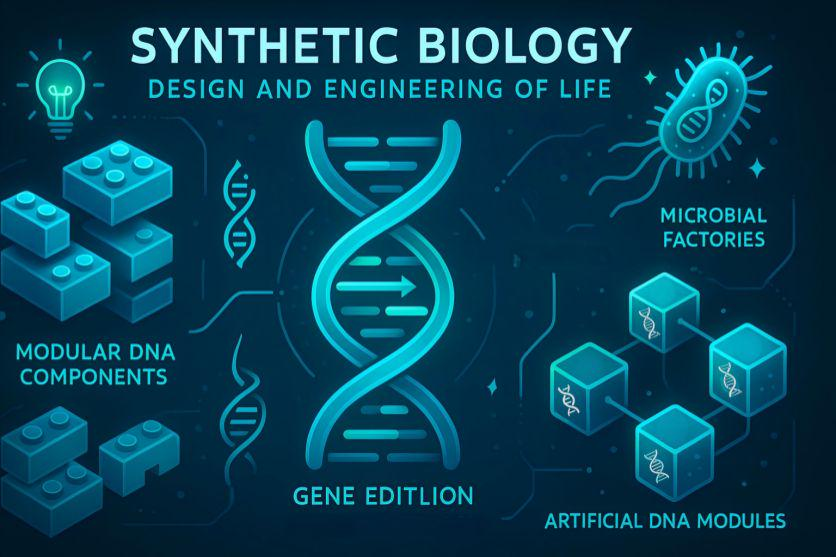
Understanding the Complexities of GC rich DNA
GC rich DNA regions pose significant challenges due to their increased stability and resistance to denaturation. Standard PCR or cloning methods may struggle with these sequences, resulting in incomplete extension or replication errors. In our experience, adjusting reaction parameters—such as temperature profiles, buffer composition, and salt concentration—can greatly improve synthesis efficiency. Additionally, careful sequence design helps reduce problematic secondary structures. We also incorporate iterative testing and quality verification to ensure that every construct is functional and accurate. These adjustments allow us to provide DNA constructs suitable for applications in synthetic biology, metabolic engineering, and gene expression studies, where GC-Rich Gene Synthesis is critical for experimental success.
Optimizing Synthesis Strategies for Reliability
To address these challenges, we integrate multiple strategies within our GC-Rich Gene Synthesis service. Codon optimization, sequence segmentation, and iterative verification steps help reduce errors and improve overall accuracy. We also employ high-fidelity polymerases and controlled enzymatic reactions to maintain consistency. Our approach ensures that even sequences with high GC-content can be synthesized reliably for industrial biotechnology projects, vaccine research, and therapeutic development. By combining design, testing, and iterative feedback, we maintain precise control over GC rich DNA constructs, which is crucial for downstream applications and functional testing. Furthermore, our workflow allows researchers to save time and resources by reducing failed synthesis attempts, which is especially important for large or highly GC-rich sequences.
Conclusion: Ensuring High-Fidelity DNA for Research and Industry
Successfully manufacturing high GC-content sequences requires careful attention to design, enzymatic performance, and quality control. Our GC-Rich Gene Synthesis platform enables us to provide researchers and industrial partners with DNA constructs that preserve sequence integrity and functionality. By applying our scientific expertise, advanced workflows, and dedicated quality assurance, we ensure that high GC-content does not compromise synthesis fidelity. At Synbio Technologies, we are committed to supporting the research community and industrial teams by delivering reliable DNA solutions tailored to the challenges of GC rich DNA and high-complexity sequences. This approach allows our clients to focus on innovation rather than troubleshooting synthesis failures, creating a smoother path from design to application.