
 DNA Synthesis
 Vector Selection
 Molecular Biology
 Oligo Synthesis
 RNA Synthesis
 Variant Libraries
 Genome KO Library
 Oligo Pools
 Virus Packaging
 Gene Editing
 Protein Expression
 Antibody Services
 Peptide Services
 DNA Data Storage
 Standard Oligo
 Standard Genome KO Libraries
 Standard Genome Editing Plasmid
 ProXpress
 Protein Products
At Synbio Technologies, we understand the importance of handling synthetic DNA with care to preserve its integrity and ensure reliable results. When researchers work with synthetic constructs, proper storage and handling practices are critical to maintaining the quality of their genetic materials. Our team emphasizes procedures that protect the DNA from degradation, contamination, or environmental stress, enabling consistent outcomes for experimental workflows. By combining our expertise with the robust features of Whole Gene Synthesis, we provide a system that helps scientists manage their DNA efficiently from receipt to application.
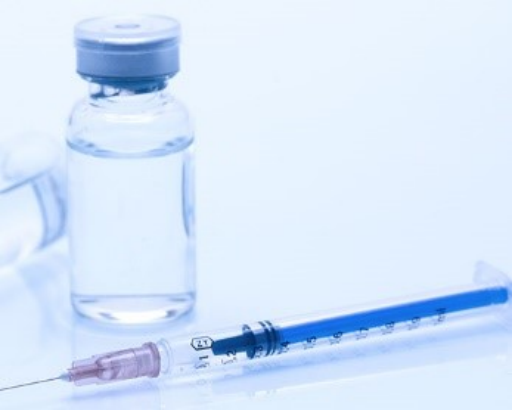
Proper Handling Techniques for Synthetic DNA
Handling synthetic DNA constructs requires attention to detail and adherence to standardized laboratory protocols. We encourage the use of clean workspaces, sterile tools, and careful pipetting techniques to reduce the risk of contamination. Additionally, avoiding repeated freeze-thaw cycles is essential for maintaining the stability of Gene Synthesis and Cloning products. Our solutions are designed to support researchers in preserving sample integrity, and we provide guidance on recommended concentrations, buffer conditions, and container selection. By following these best practices, we ensure that our clients can trust the reliability of their synthetic DNA. This holds true for metabolic engineering, protein expression, or other experimental objectives.
Storage Conditions That Protect DNA Quality
Storage is a critical factor in synthetic DNA management. We advise keeping DNA constructs at temperatures that minimize enzymatic activity and chemical degradation. For short-term storage, refrigeration at 4°C can suffice, while long-term storage often requires -20°C or -80°C freezers. By incorporating our Whole Gene Synthesis solutions, customers benefit from DNA constructs that are compatible with standard storage conditions without compromising performance. We also emphasize proper labeling and organization within storage units to prevent accidental mix-ups and facilitate rapid retrieval when the DNA is needed for subsequent experiments.
Documentation and Monitoring for Reliability
Maintaining detailed records is an essential component of synthetic DNA management. We encourage researchers to document the source, sequence, and storage history of each construct. Our Gene Synthesis and Cloning services include traceable identifiers and support systems to help track sample usage and storage conditions. Regular monitoring and quality checks help detect potential degradation early, allowing corrective actions before experiments are affected. Integrating these practices with our company’s DNA services ensures that our clients achieve reproducible and accurate results across their projects.
Conclusion: Optimizing DNA Management with Synbio Technologies
By following best practices in handling, storage, and monitoring, laboratories can maintain the integrity and functionality of synthetic DNA constructs. Our Whole Gene Synthesis and Gene Synthesis and Cloning services offer researchers the tools and guidance necessary to implement these strategies efficiently. At Synbio Technologies, we are committed to supporting scientific progress by providing high-quality DNA products and practical advice for safe, reliable laboratory practices. Proper management of synthetic DNA ultimately empowers researchers to achieve consistent results and advance their experimental goals with confidence.