
 DNA Synthesis
 Vector Selection
 Molecular Biology
 Oligo Synthesis
 RNA Synthesis
 Variant Libraries
 Genome KO Library
 Oligo Pools
 Virus Packaging
 Gene Editing
 Protein Expression
 Antibody Services
 Peptide Services
 DNA Data Storage
 Standard Oligo
 Standard Genome KO Libraries
 Standard Genome Editing Plasmid
 ProXpress
 Protein Products
In the realm of DNA synthesis, especially in complex gene synthesis, there are numerous challenges that researchers often encounter. These difficulties can profoundly affect experimental outcomes, potentially leading to wasted time and resources. Over the past decade, we at Synbio Technologies have synthesized over ten billion bases, gaining invaluable insights into these complexities. By exploring common pitfalls and their solutions, we aim to equip you with the knowledge needed to streamline your artificial DNA synthesis projects.
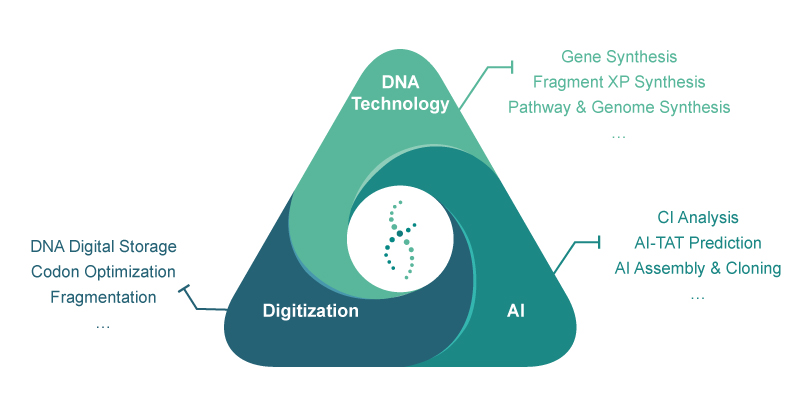
Understanding GC Content and Its Impact
A critical aspect of complex gene synthesis is the GC content, which refers to the ratio of guanine (G) and cytosine (C) bases in a DNA sequence. High or low GC content can significantly affect the stability of the synthesized DNA, influencing melting temperature and secondary structure formation. Sequences with high GC content often lead to difficulties in synthesis and amplification, while low GC sequences may result in instability and increased susceptibility to degradation.
To navigate this challenge, employing strategies such as optimizing the synthesis conditions or utilizing specialized polymerases can prove useful. Moreover, our services at Synbio Technologies include free codon optimization to adjust the GC content effectively, thus enhancing the quality of the final product. This leads to a more stable and reliable DNA construct, ultimately helping to avoid failures in downstream applications.
Addressing Repetitive Sequences
Another prominent obstacle in artificial DNA synthesis involves repetitive sequences. These can lead to issues such as mispriming and the formation of secondary structures. When synthesizing genes that contain significant repeats, it is essential to consider the design carefully. Overlooking this crucial factor may result in incomplete or erroneous sequences that compromise further research.
To mitigate the risks associated with repetitive sequences, we at Synbio Technologies recommend incorporating strategic design changes, such as altering flanking regions or splitting the sequence into smaller, manageable fragments. This approach not only facilitates reliable synthesis but also allows for smoother cloning and transformation processes.
Countering Hairpin Structures
Hairpin structures are yet another challenging aspect of complex gene synthesis. These structures can form when the DNA sequence folds back on itself, creating loops that may prevent proper annealing and elongation during synthesis. Such complications often stem from the presence of complementary regions within the sequence.
Through our years of experience in the field, we understand the importance of foresight in avoiding hairpin formations. Implementing design modifications, such as adjusting the length of the sequences or strategically repositioning certain motifs, is crucial. At Synbio Technologies, we utilize advanced vector design platforms to minimize these risks, ensuring clients receive the high-quality, functional DNA constructs they need.
Conclusion
Navigating the intricacies of complex gene synthesis requires a comprehensive understanding of various factors that can hinder successful DNA synthesis. Through awareness of challenges like GC content, repetitive sequences, and hairpin structures, researchers can take proactive steps to avoid common pitfalls. By leveraging our expertise at Synbio Technologies, which includes free codon optimization and a commitment to 100% synthesis accuracy, we can ensure that artificial DNA synthesis projects lead to successful outcomes. As the demand for precise and reliable DNA constructs grows, we stand prepared to support your research endeavors.