
 DNA Synthesis
 Vector Selection
 Molecular Biology
 Oligo Synthesis
 RNA Synthesis
 Variant Libraries
 Genome KO Library
 Oligo Pools
 Virus Packaging
 Gene Editing
 Protein Expression
 Antibody Services
 Peptide Services
 DNA Data Storage
 Standard Oligo
 Standard Genome KO Libraries
 Standard Genome Editing Plasmid
 ProXpress
 Protein Products
At Synbio Technologies, we recognize that DNA synthesis forms the foundation for modern molecular biology, genetics research, and synthetic biology applications. Understanding the Human genome GC content is essential because it affects the stability, transcription efficiency, and folding of DNA strands. Our team specializes in GC-Rich Gene Synthesis, which addresses the unique challenges posed by High GC-content Sequences, such as strong secondary structures and high melting temperatures. By designing DNA fragments with these considerations in mind, we ensure researchers receive accurate, reliable constructs suitable for diverse experimental setups. These services provide essential tools for gene expression studies, pathway engineering, and synthetic biology experiments, enabling researchers to explore complex genomic regions that were previously difficult to manipulate efficiently.
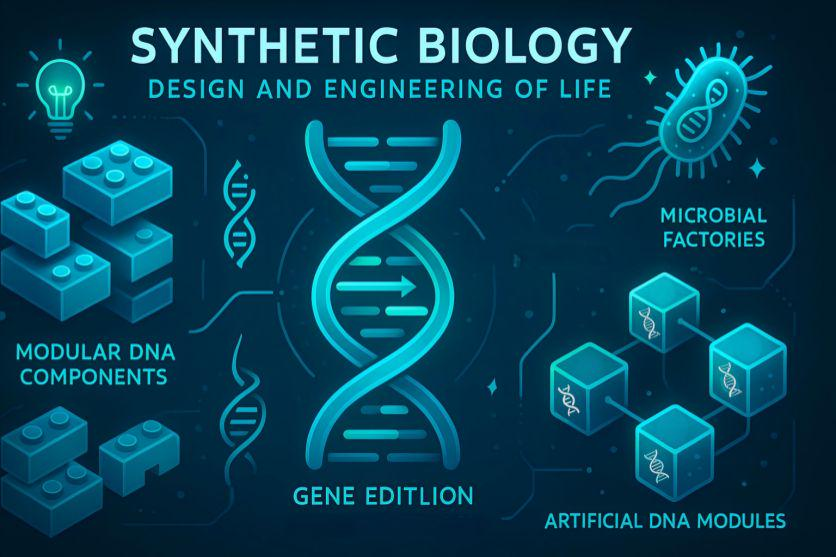
Types of DNA Synthesis Methods and Their Applications
We utilize a range of DNA synthesis techniques to cater to varying project requirements. Short oligonucleotides are typically synthesized through phosphoramidite chemistry, whereas longer sequences are constructed using enzymatic assembly methods. Our GC-Rich Gene Synthesis workflow is optimized for High GC-content Sequences, addressing difficulties such as stable duplex formation and secondary structures that can hinder assembly. Additionally, we carefully evaluate Human genome GC content to inform codon optimization and reduce problematic motifs. These synthesis strategies are applied in a broad spectrum of applications, including recombinant protein expression, metabolic pathway optimization, synthetic gene network validation, and molecular tool development. By providing precise, functional DNA constructs, we help scientists accelerate experimental timelines and increase reproducibility across studies.
Benefits of High-Quality GC-Rich Gene Constructs
Producing DNA sequences with high GC content requires expertise, specialized protocols, and quality control measures. At our company, we integrate advanced design algorithms and automated assembly systems to deliver accurate GC-Rich Gene Synthesis results. Handling High GC-content Sequences carefully reduces synthesis errors and ensures reliable downstream performance. Considering Human genome GC content in our designs allows us to balance codon usage and minimize structural complications, ultimately improving expression efficiency in host systems. Our approach benefits a wide range of research areas, including therapeutic development, functional genomics, and industrial biotechnology. Researchers can confidently rely on our constructs for experimental validation, pathway optimization, and exploratory synthetic biology projects, knowing they are receiving high-quality, reproducible DNA sequences.
Conclusion: Advancing Research Through Precise DNA Synthesis
In conclusion, understanding the methods, types, and uses of DNA synthesis is essential for advancing modern research. At Synbio Technologies, we combine expertise in GC-Rich Gene Synthesis with careful consideration of Human genome GC content and challenges associated with High GC-content Sequences. Our integrated solutions allow scientists to overcome traditional limitations in DNA construction, delivering accurate, functional sequences that support diverse experimental goals. By leveraging our systems and workflows, researchers can accelerate discovery, improve reproducibility, and translate complex genomic designs into actionable experimental outcomes efficiently. We remain committed to providing reliable, high-quality DNA synthesis services that empower scientific innovation worldwide.