
 DNA Synthesis
 Vector Selection
 Molecular Biology
 Oligo Synthesis
 RNA Synthesis
 Variant Libraries
 Genome KO Library
 Oligo Pools
 Virus Packaging
 Gene Editing
 Protein Expression
 Antibody Services
 Peptide Services
 DNA Data Storage
 Standard Oligo
 Standard Genome KO Libraries
 Standard Genome Editing Plasmid
 ProXpress
 Protein Products
At Synbio Technologies, we understand that selecting the appropriate mammalian expression system is critical for the success of your projects, especially in the realm of recombinant antibody production. Two of the most commonly used cell lines are CHO (Chinese Hamster Ovary) cells and HEK293 (Human Embryonic Kidney) cells. Each system offers distinct advantages and is suited for different applications. In this article, we will explore the strengths of HEK293 cells and help you determine if they are the right fit for your needs.
Advantages of HEK293 Cells
1. High Transfection Efficiency
One of the standout features of HEK293 cells is their high transfection efficiency. This characteristic is particularly important for recombinant antibody production, where efficient uptake of the plasmid DNA is essential for generating a high yield of the desired protein. HEK293 cells can facilitate the rapid expression of proteins, making them ideal for applications that require quick turnaround times.
At Synbio Techonologies, we leverage this property by employing advanced transfection techniques that maximize the efficiency of our mammalian expression systems. This means you can expect robust expression levels with minimal effort, which is crucial when time and resources are limited.
2. Rapid and Stable Growth
HEK293 cells are known for their rapid and stable growth, which is another significant advantage for recombinant antibody production. Their ability to proliferate quickly allows for faster scaling of production, enabling researchers to reach their desired yields in a shorter timeframe. This rapid growth is particularly beneficial when you need large quantities of antibodies for research, therapeutic applications, or clinical trials.
Moreover, the stability of HEK293 cell lines ensures consistent performance over time, reducing variability between batches. At Synbio Techonologies, we focus on maintaining this stability, allowing our clients to rely on our products for their critical research needs.
3. Human Cell Line Compatibility
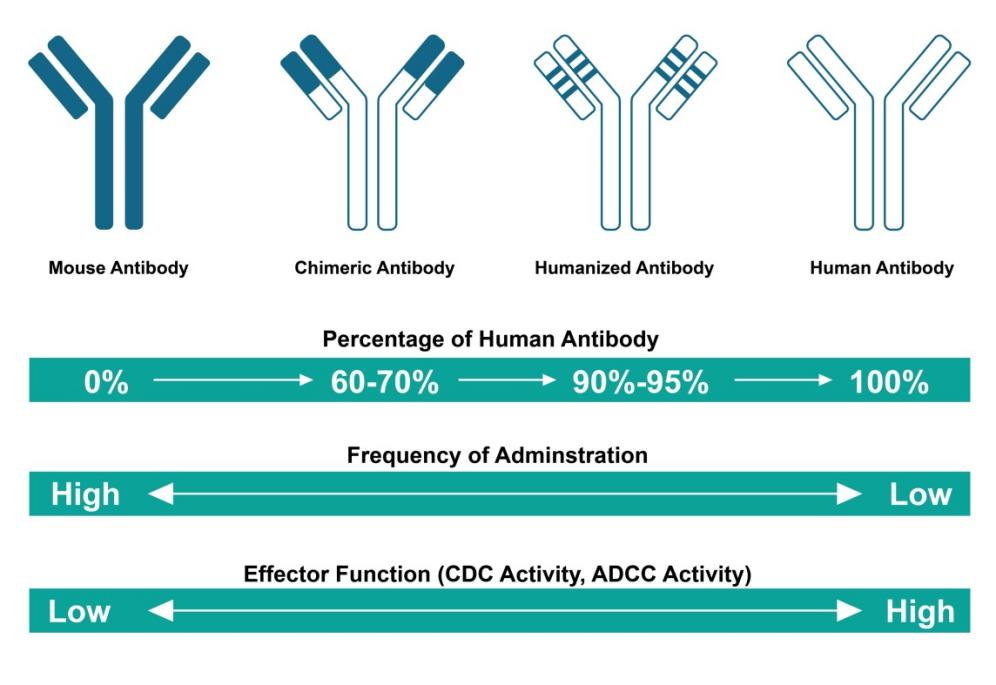
Being a human cell line, HEK293 offers the advantage of producing proteins that are more likely to undergo correct post-translational modifications similar to those in human cells. This feature is essential when producing therapeutic proteins, as proper glycosylation and other modifications can significantly impact a protein’s efficacy and safety profile.
For recombinant antibody production, this human-like glycosylation pattern can enhance the therapeutic properties of the antibodies, improving their effectiveness in clinical applications. At Synbio Techonologies, we pride ourselves on harnessing the benefits of HEK293 cells to produce antibodies that closely mimic those found in human physiology.
When to Choose CHO Cells
While HEK293 cells have many advantages, it’s essential to recognize that CHO cells also play a crucial role in mammalian expression systems. CHO cells are widely used for large-scale production and are well-established in the biopharmaceutical industry, particularly for producing antibodies that require extensive glycosylation.
If your project demands large-scale production and stringent regulatory compliance, CHO cells might be the better choice. However, if speed, ease of transfection, and human-like post-translational modifications are your priorities, HEK293 cells are likely the most suitable option.
Conclusion
In conclusion, both HEK293 and CHO cells have unique advantages that can cater to different aspects of recombinant antibody production. At Synbio Technologies, we are dedicated to helping you choose the right mammalian expression system based on your specific project needs.