
 DNA Synthesis
 Vector Selection
 Molecular Biology
 Oligo Synthesis
 RNA Synthesis
 Variant Libraries
 Genome KO Library
 Oligo Pools
 Virus Packaging
 Gene Editing
 Protein Expression
 Antibody Services
 Peptide Services
 DNA Data Storage
 Standard Oligo
 Standard Genome KO Libraries
 Standard Genome Editing Plasmid
 ProXpress
 Protein Products
At Synbio Technologies, we stand at the forefront of innovation in biotechnology, specializing in transformative solutions like genome editing. Our commitment to advancing scientific research empowers our clients to harness the power of gene editing for a wide array of applications. In this article, we will explore the mechanism of the CRISPR system and how it has simplified genome engineering, making significant strides in various fields.
Understanding Genome Editing
Genome editing has revolutionized the way scientists approach genetic modifications. With advanced techniques, including those based on the CRISPR-Cas9 system, researchers can now perform precise alterations in DNA-cutting, removing, adding, or replacing sequences at specific locations. This capability not only enhances our understanding of genetics but also opens new avenues in biotechnology, from drug development to agricultural improvements.
The CRISPR-Cas9 system is notable for its efficiency and accuracy. By simplifying many aspects of genome engineering, this technology enables researchers to achieve targeted edits that were once considered complex or unfeasible. As a result, genome editing has become an essential tool in laboratories worldwide, facilitating groundbreaking discoveries and applications.
The Mechanism of the CRISPR System
The CRISPR-Cas9 genome editing system consists of two primary components: guide RNA (gRNA) and the Cas9 protein. The gRNA is designed to match a specific DNA sequence, guiding the Cas9 enzyme to its target site. Once the gRNA binds to the corresponding DNA, the Cas9 protein makes precise double-strand breaks (DSBs) at that location.
This ability to create targeted DSBs is what makes the CRISPR-Cas9 system so valuable for genome engineering. Following the introduction of these breaks, the cell's natural repair mechanisms are activated. Researchers can then introduce new genetic material into the repair process, effectively allowing them to manipulate the genome in specific ways. This versatility makes CRISPR a preferred choice for a wide range of applications, such as constructing animal models, gene therapy, and agricultural breeding.
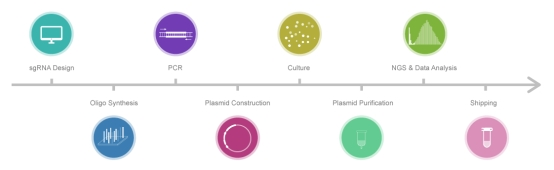
Moreover, the ease of designing gRNAs streamlines the plasmid preparation process, which is essential for delivering the necessary components into target cells. As experts in plasmid preparation, Synbio Technologies ensures that our clients receive high-quality, tailor-made plasmids suitable for CRISPR applications, facilitating their genome engineering endeavors.
Why Choose Synbio Technologies for Genome Engineering Solutions?
At Synbio Technologies, we pride ourselves on providing comprehensive support for all your genome editing needs. Our expertise in plasmid preparation ensures that our clients have access to the best tools for successful CRISPR-Cas9 applications. Our team is committed to offering customized solutions that align with the goals of your research.
Conclusion
In conclusion, the emergence of genome editing technologies like CRISPR-Cas9 has transformed biotechnology, making precise genome engineering accessible and efficient. As you embark on your journey in gene editing, consider partnering with Synbio Technologies for exceptional plasmid preparation services that empower your research.