
 DNA Synthesis
 Vector Selection
 Molecular Biology
 Oligo Synthesis
 RNA Synthesis
 Variant Libraries
 Genome KO Library
 Oligo Pools
 Virus Packaging
 Gene Editing
 Protein Expression
 Antibody Services
 Peptide Services
 DNA Data Storage
 Standard Oligo
 Standard Genome KO Libraries
 Standard Genome Editing Plasmid
 ProXpress
 Protein Products
At Synbio Technologies, we are proud to lead the way in gene fragment synthesis, providing researchers with the tools they need to explore complex biological processes. Our innovative services include the production of GeneArt Strings DNA fragments, which are essential for a wide range of applications, including protein expression, gene regulation, and cell communication. By enabling precise genome engineering, we help unravel intricate genetic questions and support the development of groundbreaking therapies and solutions.
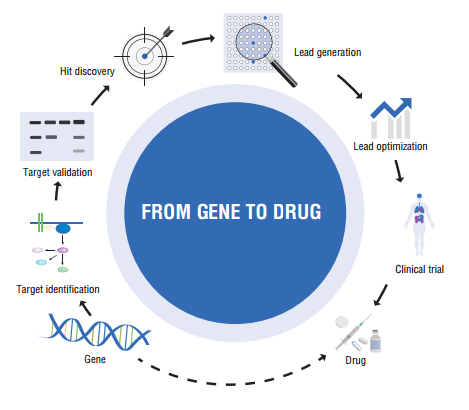
Understanding Gene Fragment Synthesis
Gene fragment synthesis involves creating specific DNA sequences that can be used in various biological applications. This technique is essential for researchers looking to study gene function, manipulate genetic material, or produce recombinant proteins. By providing high-quality DNA fragments, we enable scientists to conduct experiments that push the boundaries of what is currently known in genetics and molecular biology.
At Synbio Technologies, we recognize that the success of these applications relies on the quality and precision of the synthesized fragments. Our GeneArt Strings DNA fragments are designed to meet the highest standards, ensuring that researchers have the reliable materials they need for their experiments.
Applications of Gene Fragment Synthesis
Exploring Protein Expression
One of the primary applications of gene fragment synthesis is in the study of protein expression. By inserting DNA fragments into vectors, researchers can express proteins in various host systems, allowing them to analyze protein function and interactions. This is vital for understanding how proteins contribute to cellular processes and can lead to the discovery of new therapeutic targets.
Our GeneArt Strings DNA fragments are particularly useful in this context. They can be easily integrated into expression vectors, providing a seamless solution for researchers looking to produce specific proteins for further study.
Understanding Gene Regulation
Another critical area of research that benefits from gene fragment synthesis is gene regulation. By synthesizing and inserting specific gene fragments, scientists can investigate the regulatory elements that control gene expression. This knowledge is essential for understanding how genes are turned on and off in response to various signals, which has implications for fields ranging from developmental biology to cancer research.
Our advanced synthesis technology allows us to produce high-fidelity GeneArt Strings DNA fragments, enabling precise studies of regulatory mechanisms. Researchers can rely on our products to ensure accurate and reproducible results in their experiments.
Investigating Cell Communication
Cell communication is a complex process that involves multiple signaling pathways and interactions between cells. Gene fragment synthesis plays a crucial role in exploring these processes by allowing researchers to manipulate genes involved in signaling pathways. By using our GeneArt Strings DNA fragments, scientists can create constructs that help elucidate how cells communicate and respond to their environment.
This knowledge is fundamental for developing innovative therapies, particularly in areas like cancer treatment, where understanding tumor microenvironments and cell signaling can lead to more effective interventions.
Conclusion
In conclusion, Synbio Technologies is your trusted partner in gene fragment synthesis, offering high-quality GeneArt Strings DNA fragments that support a wide range of research applications. From studying protein expression and gene regulation to investigating cell communication, our products are designed to help you uncover the complexities of genetics and molecular biology.