
 DNA Synthesis
 Vector Selection
 Molecular Biology
 Oligo Synthesis
 RNA Synthesis
 Variant Libraries
 Genome KO Library
 Oligo Pools
 Virus Packaging
 Gene Editing
 Protein Expression
 Antibody Services
 Peptide Services
 DNA Data Storage
 Standard Oligo
 Standard Genome KO Libraries
 Standard Genome Editing Plasmid
 ProXpress
 Protein Products
Moving from bench-scale research to clinical trials requires a shift in how we approach reagent preparation. At Synbio Technologies, we recognize that consistency and quality control are essential when scaling up sgRNA synthesis for therapeutic applications. Ensuring that the transition from small-scale projects to larger production batches is seamless demands a rigorous, data-driven approach to manufacturing.
Establishing Robust Sequence Design and Quality Metrics
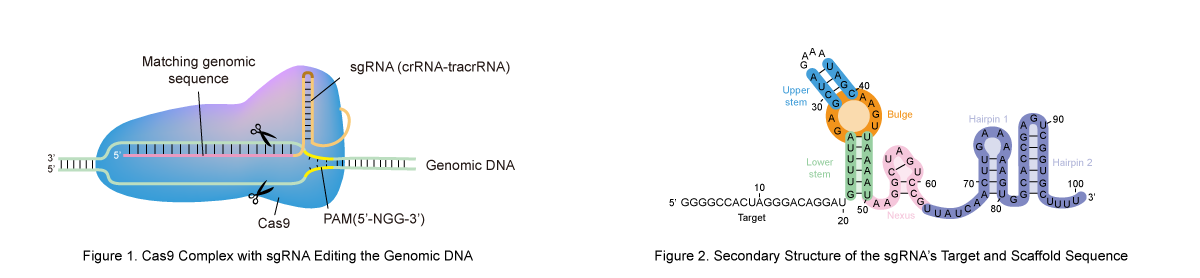
Initial sequence design lays the foundation for successful manufacturing. During the early stages, it is vital to perform thorough in silico analysis to evaluate potential off-target effects and ensure the stability of the guide RNA. Once the sequence is validated, defining clear quality specifications—such as purity, concentration, and endotoxin levels—is a fundamental component of the sgRNA production process. By establishing these metrics early, we can maintain the necessary standards required for downstream clinical use.
Optimizing Chemical Synthesis Protocols
Scaling up often reveals challenges inherent in traditional laboratory-scale methods. When moving to larger volumes, optimizing chemical synthesis sgRNA protocols becomes a technical necessity to maintain high coupling efficiency and structural integrity. Adjusting synthesis parameters, such as reagent concentration and reaction times, allows for the production of high-quality material at scale. These modifications ensure that the final product meets the defined specifications consistently, reducing the variability often observed in less controlled environments.
Implementing Rigorous Purification Strategies
Purity is perhaps the most critical factor for clinical-grade materials. Impurities generated during the synthesis process, including truncated sequences and incomplete deprotection products, must be efficiently removed. Implementing high-performance liquid chromatography or alternative scalable purification techniques is essential to reach the desired purity levels. We focus on refining these downstream processes to ensure the elimination of impurities that could affect the safety or efficacy of the clinical study, ensuring that every batch of sgRNA synthesis is handled with precision.
Enhancing Analytical Testing and Characterization
After purification, thorough characterization of the batch is required to verify its identity and quality. This involves using analytical techniques such as mass spectrometry and capillary electrophoresis to confirm sequence fidelity and size distribution. Comprehensive testing protocols are vital to document that each batch meets established release criteria. This analytical rigor provides the transparency and documentation necessary for regulatory compliance throughout the clinical trial process, reinforcing the reliability of our sgRNA production workflows.
Ensuring Stability and Controlled Storage
Once the material is manufactured and characterized, protecting its stability during storage and transport is essential. Factors such as temperature, pH, and exposure to nucleases can compromise the integrity of the RNA. Utilizing appropriate stabilizing buffers and ensuring cold-chain logistics throughout the supply process are critical to preserving the material's function. Proactive management of these environmental variables protects the investment made in high-quality chemical synthesis sgRNA methods, ensuring the material remains viable for end-users.
Establishing Scalable Documentation and Regulatory Compliance
Finally, scaling up requires a transition to formal quality management systems. Maintaining detailed records of every step—from raw material qualification to final batch release—is necessary to satisfy regulatory requirements. Consistent documentation practices allow for full traceability, which is a standard expectation in clinical development. By adhering to these documented procedures, we ensure the reliability and safety of the material supplied, maintaining the trust our partners place in Synbio Technologies.
Achieving success in clinical trials relies heavily on the integrity of the materials provided. By methodically addressing sequence design, synthesis optimization, purification, analytical verification, storage, and regulatory documentation, we build a dependable framework for growth. We remain dedicated to providing consistent, high-quality results to support the progress of therapeutic development and look forward to facilitating your next project.