
 DNA Synthesis
 Vector Selection
 Molecular Biology
 Oligo Synthesis
 RNA Synthesis
 Variant Libraries
 Genome KO Library
 Oligo Pools
 Virus Packaging
 Gene Editing
 Protein Expression
 Antibody Services
 Peptide Services
 DNA Data Storage
 Standard Oligo
 Standard Genome KO Libraries
 Standard Genome Editing Plasmid
 ProXpress
 Protein Products
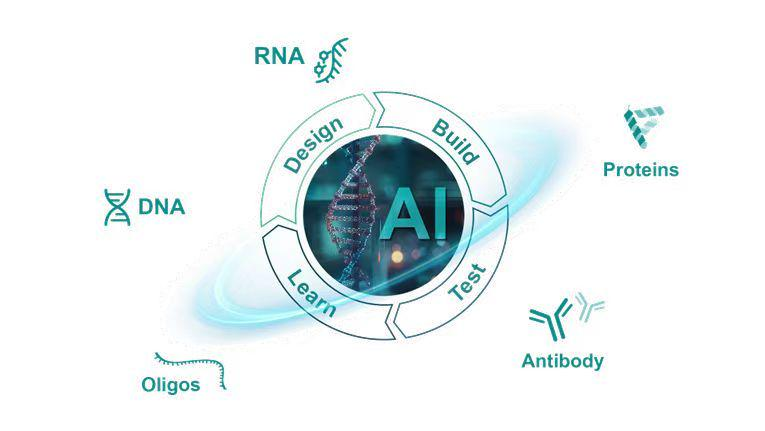
As Synbio Technologies, we continually explore how Synthetic Biology Services strengthen our development workflows and help us refine each stage of the DBTL cycle. In our daily work, we apply these structured processes to support projects connected to synbio pharmaceutical development as well as early synbio therapeutic concepts. By focusing on predictable execution and clear experimental design, we maintain stable progress as ideas move from initial planning to operational testing.
Integrating Service Capabilities Into the Design and Build Stages
At the start of each DBTL cycle, we use Synthetic Biology Services to organize essential design information and prepare accurate DNA constructs for upcoming experiments. These capabilities help us move from conceptual frameworks to testable materials with fewer delays. When our teams prepare components for synbio pharmaceutical exploration, early clarity in sequence design allows us to adjust pathways before committing to large numbers of experiments. The same structure supports synbio therapeutic research, where precise design and reproducibility serve as the foundation for functional screening. To maintain this consistency, we rely on our platform’s established manufacturing methods, which help ensure that each construct reflects the intended design without unnecessary variation.
Streamlining Test Operations and Closing Learning Loops
During the testing phase, Synthetic Biology Services help us coordinate analytical workflows and compare performance across multiple design iterations. By using standardized evaluation steps, we shorten the time needed to interpret whether a design should continue, be modified, or replaced. This rhythm supports activities in synbio pharmaceutical screening, where teams must often review subtle functional differences among related constructs. When working in synbio therapeutic research, rapid feedback ensures that we capture performance trends before moving to more resource-intensive testing. As we complete each cycle, we apply these results to update our design models, tightening the overall DBTL loop and improving our ability to predict future outcomes.
Applying DBTL Approaches Across Broader Program Needs
Our DBTL framework is supported by a platform that integrates DNA design, construction, and quality processes into a steady operational system. These tools help us coordinate project timelines and maintain the continuity required for complex work, including tasks relevant to synbio pharmaceutical analysis or fundamental synbio therapeutic exploration. By combining Synthetic Biology Services with structured process management, we sustain progress even when projects require multiple cycle iterations. Each completed loop strengthens the next, creating a practical path toward scalable development. This approach aligns with our company’s long-term experience in offering dependable solutions that support biological research and industrial applications.
Conclusion: Strengthening DBTL Performance With Integrated Service Support
Using Synthetic Biology Services gives us a defined path to manage design, build, test, and learn activities with greater efficiency. These structured processes support applications related to synbio pharmaceutical and early synbio therapeutic programs, helping us maintain consistency as we advance experimental work. Through this integrated approach, we refine concepts more quickly and apply each cycle’s insights to future improvements. At Synbio Technologies, we continue to support users who require reliable DBTL performance and clear progression from concept to validated outcome.