
 DNA Synthesis
 Vector Selection
 Molecular Biology
 Oligo Synthesis
 RNA Synthesis
 Variant Libraries
 Genome KO Library
 Oligo Pools
 Virus Packaging
 Gene Editing
 Protein Expression
 Antibody Services
 Peptide Services
 DNA Data Storage
 Standard Oligo
 Standard Genome KO Libraries
 Standard Genome Editing Plasmid
 ProXpress
 Protein Products
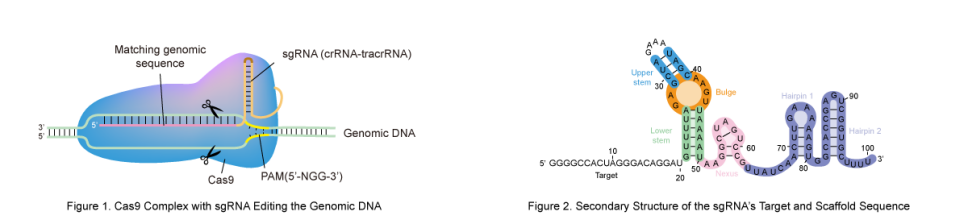
At Synbio Technologies, we frequently receive inquiries about challenges in sgRNA Synthesis. Ensuring high-quality synthetic guides is essential for efficient genome editing, and we understand that researchers may encounter variability in synthesis yield or activity. By providing clear insights into common issues and practical solutions, we aim to support scientists in achieving reproducible results. Our team emphasizes structured workflows that integrate design, synthesis, and quality control to help users identify and overcome obstacles efficiently.
Identifying and Addressing Sequence Design Challenges
One of the most frequent causes of inefficiency during sgRNA Synthesis is suboptimal sequence design. We recommend evaluating target regions for secondary structures, GC content, and potential off-target effects before initiating synthesis. Using our Synthetic sgRNA and crRNA service, we guide users through sequence assessment to maximize functional activity. This process also includes ensuring the synthetic constructs are compatible with downstream delivery systems. By carefully analyzing sequences prior to synthesis, we reduce the likelihood of incomplete or inactive Synthetic gRNA, improving both experimental reliability and time efficiency for research teams.
Optimizing Synthesis and Purification Workflows
Variations in synthesis chemistry or purification methods can also impact sgRNA activity. In our experience, implementing consistent protocols with controlled reaction conditions minimizes degradation and increases product yield. Our Synthetic sgRNA and crRNA service offers purified constructs ready for immediate use, which alleviates common handling challenges that researchers face. We integrate high-precision techniques during synthesis to maintain the integrity of Synthetic gRNA, ensuring that the resulting guides perform reliably in various cellular assays. These standardized workflows allow us to support projects across gene editing, functional genomics, and therapeutic development.
Ensuring Stability and Storage Best Practices
Even high-quality sgRNA can lose activity if storage conditions are suboptimal. We advise storing synthetic guides at recommended temperatures and avoiding repeated freeze-thaw cycles. Our sgRNA Synthesis platform provides guidelines for long-term stability and includes recommendations for working concentrations that maintain performance. Additionally, we emphasize using validated buffers and handling methods to prevent degradation. By combining proper storage practices with our high-quality Synthetic gRNA, researchers can extend the functional lifespan of their guides and maintain consistency across multiple experiments.
Conclusion: Supporting Reliable sgRNA Outcomes
At Synbio Technologies, we prioritize helping researchers overcome common sgRNA Synthesis challenges by integrating design evaluation, controlled synthesis, and best storage practices. Our Synthetic sgRNA and crRNA service ensures that each Synthetic gRNA meets quality standards, supporting efficient genome editing projects. By following these strategies, users can troubleshoot effectively and achieve more consistent results. We remain committed to providing practical guidance and reliable products that enable research teams to focus on innovation and discovery.