
 DNA Synthesis
 Vector Selection
 Molecular Biology
 Oligo Synthesis
 RNA Synthesis
 Variant Libraries
 Genome KO Library
 Oligo Pools
 Virus Packaging
 Gene Editing
 Protein Expression
 Antibody Services
 Peptide Services
 DNA Data Storage
 Standard Oligo
 Standard Genome KO Libraries
 Standard Genome Editing Plasmid
 ProXpress
 Protein Products
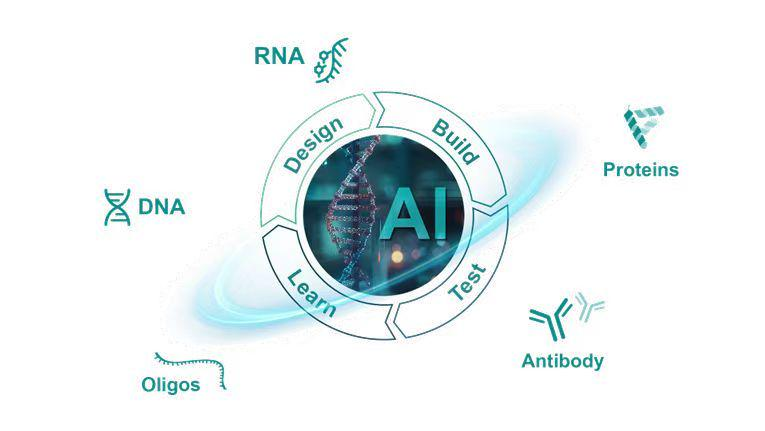
Synbio Technologies has long viewed the DBTL cycle as one of the most practical frameworks that supports our work as a Synthetic Biology Company. As demands for innovative solutions continue to expand across research and industrial applications, we rely on the DBTL approach to organize projects, evaluate ideas, and apply insights across various synthetic biology programs. The cycle allows us to guide partners who explore synbio therapeutic concepts and other applications that require structured development. By understanding each stage of the DBTL framework, researchers can better anticipate project needs and maintain consistent progress throughout experimental workflows.
How the DBTL Cycle Shapes Practical Design Strategies
The first step—Design—helps us map out core objectives and evaluate possible routes before any physical work begins. As a Synthetic Biology Company, we use design principles to translate scientific goals into specific genetic components or system architectures. This type of planning is essential for stable synthetic biology operations, whether the objective involves simple constructs or more complex synbio therapeutic elements. Our teams rely on computational tools, domain expertise, and established design considerations to minimize unnecessary revisions later in the cycle. The structured planning stage enables smoother transitions into downstream activities such as DNA construction and functional assessment.
Building and Testing Components with Consistency
During the Build and Test phases, we convert design concepts into physical constructs and validate their behavior. These stages are where many experiments gain clarity, as outcomes reveal whether individual components perform as expected. For a Synthetic Biology Company, consistent build quality is crucial, and we apply advanced manufacturing workflows to maintain accuracy across DNA preparation and assembly. This foundation strengthens a wide range of synthetic biology projects, from metabolic pathway prototypes to early synbio therapeutic screening elements. By analyzing test results, we collect measurable data that highlight functional strengths, system limitations, and optimization opportunities, ensuring that each iteration supports clearer decision-making.
Conclusion: How DBTL Strengthens Our Work and Supports Our Partners
Understanding the Design-Build-Test-Learn framework gives research teams a practical way to manage complexity within modern synthetic biology programs. Through clear design planning, consistent build and test methods, and evidence-based learning cycles, the DBTL approach strengthens projects across many fields, including early synbio therapeutic exploration. As a Synthetic Biology Company, we apply this structured method in our daily work to help partners advance ideas with greater confidence and continuity. At Synbio Technologies, we continue to support researchers as they incorporate DBTL principles into their development strategies.