
 DNA Synthesis
 Vector Selection
 Molecular Biology
 Oligo Synthesis
 RNA Synthesis
 Variant Libraries
 Genome KO Library
 Oligo Pools
 Virus Packaging
 Gene Editing
 Protein Expression
 Antibody Services
 Peptide Services
 DNA Data Storage
 Standard Oligo
 Standard Genome KO Libraries
 Standard Genome Editing Plasmid
 ProXpress
 Protein Products
At Synbio Technologies, we often engage with researchers who want clearer strategies for designing reliable synthetic genes. As a Synthetic Biology Company, we understand how project outcomes can be affected by overlooked design variables, especially when teams are working toward a functional synthetic biology product or exploring early steps related to a future synthetic biology therapeutic. Gene design is an essential foundation for any applied program, so recognizing common pitfalls helps us maintain accuracy and project stability.
Overlooking Sequence Context and Functional Constraints
One frequent challenge in gene design is assuming that any optimized sequence will behave predictably across systems. In practice, regulatory elements, codon usage preferences, and expression environments can shift performance in important ways. As a Synthetic Biology Company, we consistently evaluate these variables during design to prevent mismatched promoter strength, unintended secondary structures, or unstable transcriptional behavior. When teams aim to develop a synthetic biology product, maintaining functional stability across hosts becomes even more important. Early consideration of these contextual factors reduces redesign cycles and supports projects that may eventually contribute to synthetic biology therapeutic development.
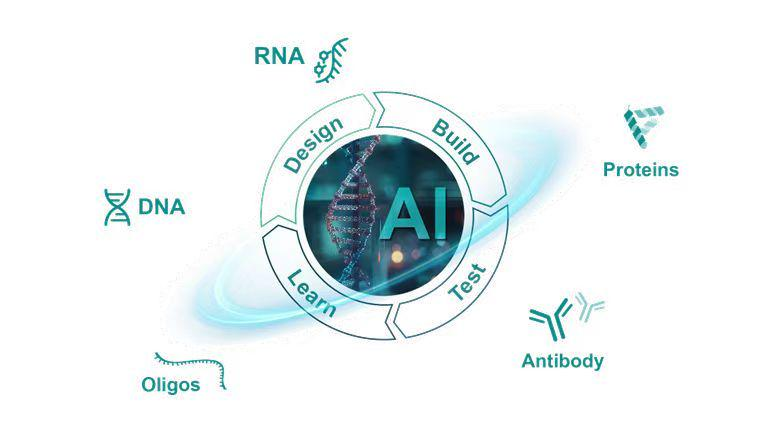
To support this process, we apply integrated design–build–test–learn workflows that allow us to refine constructs based on actual performance rather than assumptions alone. This approach reflects our long-term work in DNA synthesis and gene optimization, and it helps our clients avoid setbacks caused by preventable sequence-level issues.
Underestimating the Role of Structural Features
Another common pitfall involves overlooking how structure influences gene function. Codon distribution, GC content, and repetitive motifs can affect folding, translation rates, and overall expression. When teams pursue a new synthetic biology product, these factors can significantly influence whether a construct performs as expected. As a Synthetic Biology Company, we consider structure-oriented analysis essential for supporting predictable expression.
This awareness is equally relevant for programs that may connect to synthetic biology therapeutic applications, where stability and reproducibility carry additional weight. By examining structural tendencies early, we can guide clients away from designs prone to internal repeats, frame shifts, or unpredictable folding. Our experience in DNA construction enables us to provide balanced guidance that aligns with scientific requirements rather than relying on trial-and-error adjustments.
Conclusion: Avoiding Common Pitfalls Through Informed Design
Designing reliable synthetic genes requires awareness of context, structure, and downstream needs. As a Synthetic Biology Company, we apply these principles to help teams move from concept to functional outcome. Whether the goal is a stable synthetic biology product or exploratory work related to synthetic biology therapeutic research, we support researchers with practical guidance and dependable DNA design capabilities. Through integrated workflows and careful evaluation, Synbio Technologies helps users avoid common design pitfalls and maintain a clear direction throughout their projects.